It was a Tuesday night, and I was standing over a pot of bubbling sugar syrup, holding a frying ladle like it was a weapon of war. On the counter sat a plate of what could only be described as hockey pucks. Hard, dense, and utterly inedible. These were my third attempt at making Indian Gulab Jamun, and I was ready to throw in the towel. I had watched a dozen videos, read every blog post I could find, and followed the instructions to the letter. Yet, every single time, the result was the same: a hard, dry ball that shattered when I bit into it, soaking up syrup but offering zero joy.
I’ve always loved Indian sweets. There’s something magical about the combination of cardamom, rose water, and deep-fried dough that feels like a warm hug on a plate. But when I first tried to make gulab jamun at home, I felt like I was trying to solve a puzzle with missing pieces. The recipes said “knead until smooth,” but didn’t explain how smooth. They said “fry on low heat,” but didn’t tell you what that actually looks like when you’re nervous about burning your kitchen down. I burned these dumplings twice before I got the texture right, and I nearly gave up after the fourth batch looked like little rocks.
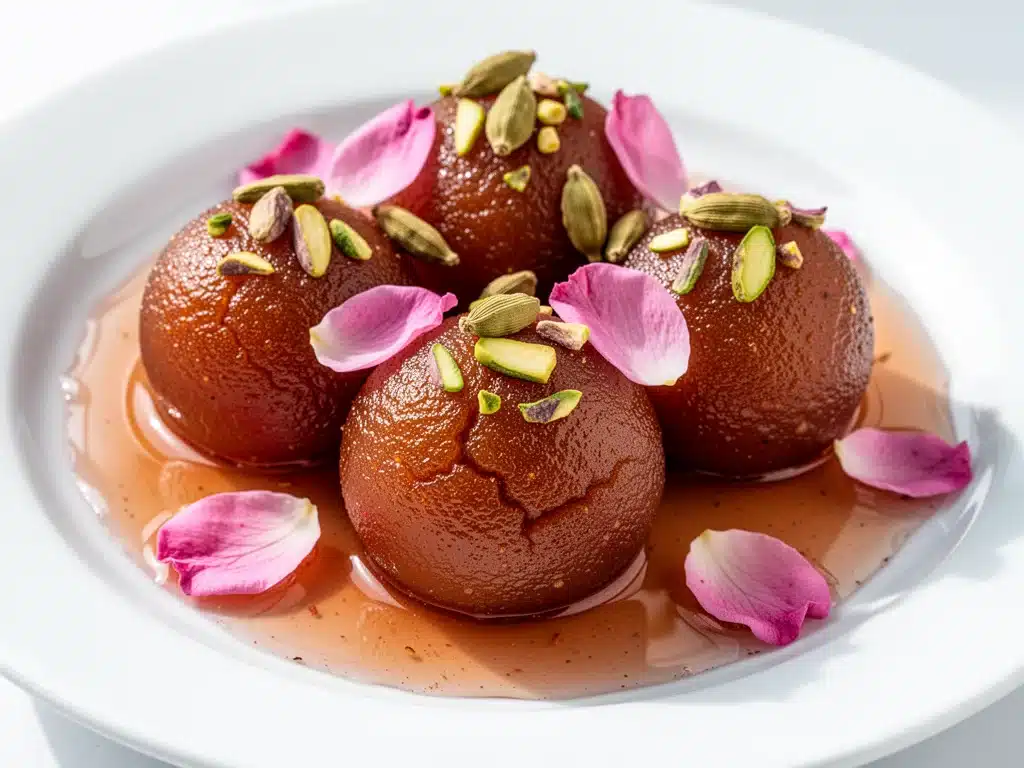
Then, I realized the problem wasn’t the recipe—it was my understanding of the dough. I was treating it like bread dough, overworking it and adding too much flour. I learned that Indian Gulab Jamun requires a very specific, soft, almost tacky consistency. Once I stopped worrying about a perfect ball shape and started trusting the feel of the dough, everything changed. The next time I dropped a ball into the oil, it puffed up like a cloud. When I pulled it out and dropped it into the rose-scented syrup, it didn’t just sit there—it sank in, absorbed the sweetness, and came out soft, spongy, and impossibly tender.
That was the moment I stopped seeing this as a “hard” recipe and started seeing it as a technique. It’s not about perfection; it’s about patience. Now, I make this dessert at least once a month. My family thinks I’ve lost my mind when I smell cardamom and rose water wafting through the house at 10 PM, but they never complain when I serve these warm, syrup-soaked gems. This is hands-down the best method I’ve found for making gulab jamun that actually tastes like the ones from the best Indian restaurants, without needing a deep fryer or a degree in pastry arts.
Why You’ll Love This Homemade Gulab Jamun Recipe
There are about ten reasons I keep making this, but here are the big ones. Once you get the hang of this Indian Gulab Jamun recipe, you’ll wonder why you ever bought the frozen ones from the store.
- Truly Soft and Spongy — Seriously, if you’ve had hard, dry gulab jamun before, this will blow your mind. The secret is in the dough hydration and the low-and-slow frying method. I’ve tested this so many times, and the center is always pillowy soft.
- Classic Rose Cardamom Syrup — Most people skip the syrup or make it too thin. This syrup is thick, aromatic, and infused with real rose water and cardamom pods. It’s not just sweet; it’s fragrant. It smells like an Indian wedding.
- Pantry-Friendly Ingredients — You don’t need exotic ingredients you’ve never heard of. All-purpose flour, baking powder, milk powder (or yogurt), and basic spices. I keep these on hand because I make this gulab jamun on a whim when I need a treat.
- Make-Ahead Friendly — This is the best part. You can fry the balls a day ahead and store them. Then, just reheat them in the syrup right before serving. They actually taste better after sitting in the syrup for a few hours. I deliberately make extra for this reason.
- Impressive but Not Stressful — It looks like a fancy restaurant dessert, but it’s basically just frying dough balls. I’ve served this to picky eaters and food snobs alike, and everyone asks for the recipe. It’s my go-to when I want to feel like a pro cook without the stress.
This is my go-to when I need dessert to just work. No complicated techniques, no weird ingredients, just reliable, delicious food that makes everyone happy. It’s the kind of dessert that brings people together.
Ingredients You’ll Need for the Perfect Dough and Syrup
Here’s the best part: you probably have most of this already. The ingredients list looks simple, but the quality of a few key items matters more than you’d think. I’m particular about three ingredients here, and I’ll tell you exactly why.
For the Dough
All-purpose flour (2 cups / 250g) — Don’t use whole wheat or self-rising flour. All-purpose gives the right structure. I use Gold Medal because it’s consistent. If you’re gluten-free, you can use a 1:1 GF blend, but the texture will be slightly different.
Full-fat milk powder (½ cup / 50g) — This is non-negotiable for the soft texture. Milk powder adds richness and keeps the dumplings soft even after frying. If you don’t have it, you can use full-fat yogurt, but the dough will be wetter and harder to handle. I buy a large tub of Nestlé Milk Powder because it’s cheap and lasts forever.
Baking powder (1 teaspoon) — This helps the dumplings puff up. Make sure it’s fresh! Old baking powder makes flat, dense balls. I check the date on my jar every time I bake.
Ghee or unsalted butter (1 tablespoon) — Rubbed into the flour, this adds flavor and tenderness. Ghee is traditional and gives that nutty aroma, but butter works too. I use ghee when I have it because it tastes more authentic.
Warm milk (about ½ cup / 120ml) — Use warm, not hot. It helps activate the baking powder and binds the dough. Whole milk is best for richness. If you’re out of milk, almond milk works in a pinch, but it’s not as rich.
Cardamom powder (½ teaspoon) — Freshly ground is best, but store-bought works. I grind my own green cardamom pods because the aroma is incomparable. It’s the heart of the flavor.
For the Rose Cardamom Syrup
Granulated sugar (1½ cups / 300g) — Regular white sugar is fine. No need for fancy raw sugar here.
Water (1 cup / 240ml) — Just enough to dissolve the sugar and create the syrup consistency.
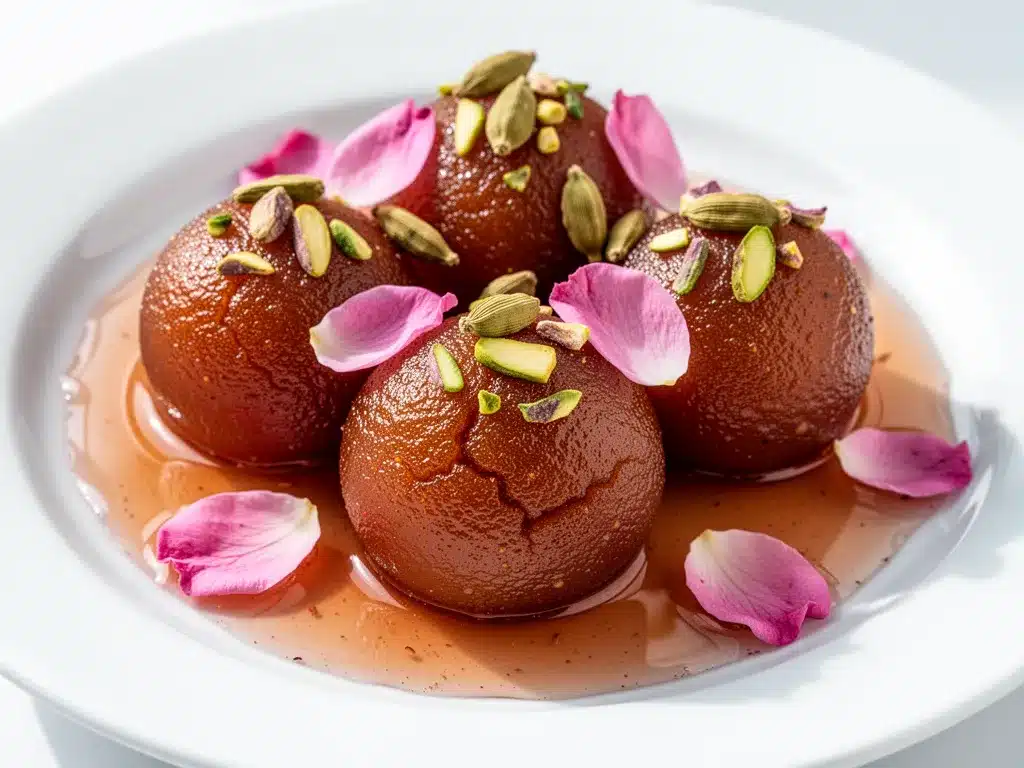
Green cardamom pods (4-5 pods, lightly crushed) — Crushing them releases the oils. You can use ground cardamom, but pods give a more subtle, authentic flavor. I love seeing the green pods floating in the syrup.
Rose water (1-2 tablespoons) — Use genuine rose water, not rose flavoring. The bottle should say “food grade.” A little goes a long way. I use Rose Essence because it’s potent and pure. If you add too much, it tastes like perfume.
Saffron strands (a pinch, optional) — For color and extra luxury. I skip this sometimes, but when I’m feeling fancy, I soak the saffron in a tablespoon of warm milk and stir it in at the end. It turns the syrup a beautiful golden hue.
Chopped pistachios and almonds (for garnish) — Adds crunch and elegance. I toast them lightly in a dry pan first for extra flavor. If you’re allergic to nuts, just skip this or use sesame seeds.
Equipment Needed
You don’t need fancy equipment for this. Here’s what I actually use.
Heavy-bottomed saucepan — I use a 3-quart saucepan for the syrup. Heavy bottom prevents burning. My cheap saucepan burned the sugar twice before I upgraded.
Large, deep skillet or Dutch oven — For frying. I need at least 2 inches of oil. A Dutch oven is great because it holds heat well. I use my Le Creuset for this, but a deep cast-iron skillet works too.
Candy thermometer — Highly recommended for the syrup. It takes the guesswork out. One thread stage is perfect. If you don’t have one, use the cold water test.
Slotted spoon or spider strainer — For frying and removing the dumplings. A regular slotted spoon works, but a spider is easier for lifting heavy, syrup-soaked balls.
Mixing bowl — Medium size for the dough.
Fine mesh sieve — To strain the syrup if you don’t want cardamom pods in your final dish. I usually leave them in for presentation.
How to Make It: Step-by-Step
Alright, let’s make this! I’m walking you through exactly how I do it, including the little tricks I’ve picked up. Making Indian Gulab Jamun is a process, but it’s not hard if you follow these steps.
Step 1: Make the Syrup First (15 minutes)
Start with the syrup because the dumplings need to soak in warm syrup, not cold. In your saucepan, combine sugar and water. Add the crushed cardamom pods. Heat over medium until the sugar dissolves. Bring to a boil, then reduce heat and simmer for 5-7 minutes until it reaches the “one-string” consistency. To test this, take a little syrup between your thumb and index finger and pull them apart. If a single thread forms, it’s ready. Remove from heat and stir in the rose water and saffron (if using). Set aside. It should be warm, not boiling hot.
Step 2: Mix the Dry Ingredients (2 minutes)
In a large bowl, whisk together the flour, milk powder, baking powder, and cardamom powder. Make sure there are no lumps. This is crucial for a smooth dough. If you see lumps, your dumplings will be uneven.
Step 3: Add Fat and Milk (3 minutes)
Add the ghee or butter to the dry mix. Rub it in with your fingers until it looks like coarse crumbs. This step adds tenderness. Then, gradually add warm milk. Start with ¼ cup and add more as needed. The dough should be soft and pliable, like soft playdough. It should be slightly sticky but not tacky to the touch. Do not over-knead! If you knead too much, the gluten develops, and the dumplings become hard. Knead gently for just 2-3 minutes until smooth.
Step 4: Rest the Dough (10 minutes)
Cover the dough with a damp cloth and let it rest. This relaxes the gluten and makes it easier to shape. I usually use this time to prep my oil. If you skip this, the dough might crack when you shape it.
Step 5: Shape the Dumplings (10 minutes)
Grease your hands with a little oil or ghee. Take a small portion of dough (about the size of a walnut) and roll it into a smooth ball. Make sure there are no cracks. If it cracks, add a tiny bit more water to your hands and smooth it out. Place the balls on a plate. They should be smooth and round. If they crack during frying, it means the dough was too dry or you didn’t seal the cracks.
Step 6: Fry the Gulab Jamun (15-20 minutes)
Heat oil in your deep skillet over medium-low heat. The oil should be around 300°F (150°C). If it’s too hot, the outside burns before the inside cooks. If it’s too cool, the dumplings absorb too much oil and become greasy. Drop the balls in gently. Fry them slowly, turning occasionally, until they are deep golden brown. This takes about 10-12 minutes. Be patient! Low and slow is the key. Use a slotted spoon to gently move them around so they cook evenly.
Step 7: Soak in Syrup (10 minutes)
Once golden brown, remove the dumplings from the oil and let excess oil drip off. Immediately drop them into the warm syrup. Let them soak for at least 10 minutes, but longer is better. They will absorb the syrup and swell up. This is the magic moment. They should feel heavy and spongy.
Expert Tips & Tricks for Success
Here’s everything I’ve learned from making this dozens of times. These tips will save you from my mistakes.
Check Your Oil Temperature
This is the #1 reason for failure. Use a thermometer! If you don’t have one, drop a small piece of dough in. If it sinks to the bottom and doesn’t rise, the oil is too cold. If it browns instantly, it’s too hot. You want it to rise slowly and turn golden over 10 minutes.
Don’t Over-Knead
I’ve made this mistake twice. Over-kneading develops gluten, which makes the dumplings hard and chewy instead of soft and spongy. Knead just enough to come together. The dough should feel soft, not elastic.
Seal the Cracks
If your dough cracks when shaping, your hands are too dry. Wet your hands with a little water or oil and smooth the ball. Any cracks will expand in the oil, causing the dumpling to break apart.
Soak in Warm Syrup
If the syrup is cold, the dumplings won’t absorb it well. If it’s boiling, the outside might get mushy. Warm syrup is perfect. It allows the dumplings to soak up the sweetness evenly.
Use Milk Powder
I tried this recipe without milk powder once, and the texture was dense and bread-like. Milk powder is the secret to that restaurant-style softness. Don’t skip it.
Variations & Substitutions
Once you’ve nailed the basic version, here’s how you can mix it up. I’ve tried all of these.
Chocolate Gulab Jamun
Add 2 tablespoons of cocoa powder to the dry ingredients. The chocolate pairs beautifully with the rose syrup. It looks like a dessert from a high-end chocolate shop.
Kesar Pista Gulab Jamun
Skip the rose water and add extra saffron and crushed pistachios to the dough. This is a classic variation for weddings. It’s richer and nuttier.
Vegan Version
Use plant-based milk powder (soy or oat) and coconut oil instead of ghee. Use almond milk for the dough. The syrup is naturally vegan. It’s not exactly the same, but it’s surprisingly good. My vegan friend loved this version.
Gluten-Free
Use a gluten-free all-purpose flour blend. Add a little extra xanthan gum if the blend doesn’t have it. The dough might be stickier, so chill it in the fridge for 15 minutes before shaping. It works, but the texture is slightly denser.
Mini Gulab Jamun
Make smaller balls (size of marbles) for bite-sized appetizers. They fry faster (5-6 minutes) and are perfect for parties. I serve these with a toothpick for easy eating.
Serving & Storage
How to Serve:
I usually serve these warm, straight from the syrup. They look rustic and stay warm in the bowl. But here are other ways I’ve enjoyed them:
- With Ice Cream — A scoop of vanilla ice cream or kulfi on the side is amazing. The contrast of hot and cold is incredible.
- With Chai — Serve with strong masala chai. It’s the ultimate Indian dessert experience.
- As a Party Appetizer — Make mini versions for gatherings. They disappear fast.
Storage Instructions:
Refrigerator:
Store the dumplings in the syrup in an airtight container for up to 5 days. They will keep getting softer and more flavorful. This is actually better than eating them fresh on day one.
Reheating:
Best method: Microwave the dumplings in the syrup for 30-60 seconds until warm. Or, place them in a steamer for 5 minutes. Never fry them again unless you want them crispy (which defeats the purpose).
Freezing:
You can freeze the fried dumplings (without syrup) for up to 2 months. Thaw them, then soak in warm syrup before serving. Do not freeze them in the syrup, as the texture changes.
Pro tip: If the syrup gets too thick after storing, add a tablespoon of water and warm it up before adding the dumplings back in.
Nutrition Information
I’m not a nutritionist, but here’s the breakdown if you’re tracking. This is definitely a treat, not a health food.
Per Serving (based on 6 servings, 3 dumplings each):
- Calories: 320
- Protein: 5g
- Carbs: 45g
- Fiber: 1g
- Sugar: 30g
- Fat: 14g
- Saturated Fat: 6g
- Cholesterol: 15mg
- Sodium: 120mg
What’s Good:
– Contains some protein from milk powder
– Cardamom has antioxidants
– Rose water is calming
What to Know:
– High in sugar and calories
– Deep-fried, so high in fat
– Contains gluten and dairy
My Take:
Look, this is gulab jamun. It’s sugar, flour, and oil. It’s not a diet recipe. But it’s way better than store-bought, and making it at home lets you control the quality. When I want to make it lighter, I make mini versions and share them with friends. But usually? I just eat two and enjoy the moment.
Final Thoughts
So that’s my go-to Indian Gulab Jamun recipe! I’ve probably talked your ear off at this point, but when you make a recipe this often, you have a lot to say about it.
This has saved my dessert game more times than I can count. It’s my answer to “what’s for dessert” when I want something special but don’t want to order takeout. My kids are happy, my husband’s happy, and I’m happy because I’m not stressed about cooking. It’s comfort food at its finest.
Make it yours! Try different garnishes, adjust the rose water, or add chocolate. The best recipes are the ones you adapt to your family’s tastes. If you make this, drop a comment and let me know what you think! I love hearing how recipes turn out in your kitchen. And if something doesn’t work, tell me that too—I’m here to help troubleshoot.
Happy cooking! And I hope your kitchen smells half as good as mine does right now.
Frequently Asked Questions
Can I use yogurt instead of milk powder?
You can, but the dough will be wetter and harder to handle. If you use yogurt, reduce the milk you add later. I’ve done this when I ran out of milk powder—it works okay, but the texture isn’t quite as soft. Milk powder is the secret ingredient, so I recommend sticking with it if you can.
Why did my gulab jamun turn out hard?
Usually, this means you over-kneaded the dough, the oil was too hot, or you didn’t soak them long enough. Over-kneading develops gluten, making them chewy. High heat burns the outside before the inside cooks. Soak them for at least 10 minutes in warm syrup to ensure they soften up.
Can I make this ahead for a party?
Absolutely! This is the best part. Fry the dumplings a day ahead, let them cool, and store them in an airtight container. When it’s time to serve, soak them in warm syrup for 10-15 minutes. They’ll absorb the syrup and be perfect. I do this all the time for dinner parties.
Why did my dumplings crack while frying?
This happens if the dough is too dry, you didn’t seal the cracks when shaping, or the oil was too hot. Make sure your dough is soft and pliable. Smooth out any cracks with wet hands before dropping them in the oil. Also, keep the heat low and steady.
Can I use rose essence instead of rose water?
Yes, but be careful. Rose essence is much stronger. Use half the amount. If you use too much, it will taste like perfume. I always start with a teaspoon and add more if needed. Taste the syrup before adding the dumplings.
How do I reheat leftovers without them getting mushy?
If they’re already in the syrup, just microwave them for 30 seconds. If they’re dry, soak them in warm syrup for a few minutes. Don’t try to re-fry them unless you want them crispy. The goal is soft and spongy, so gentle heat is best.
Can I make these in an air fryer?
You can, but they won’t be as authentic. Air-fry at 350°F for 10-12 minutes, flipping halfway. They will be less oily but also less rich. I prefer deep-frying for the traditional texture, but air-frying is a healthier option if you’re watching your fat intake.
Pin This Recipe!
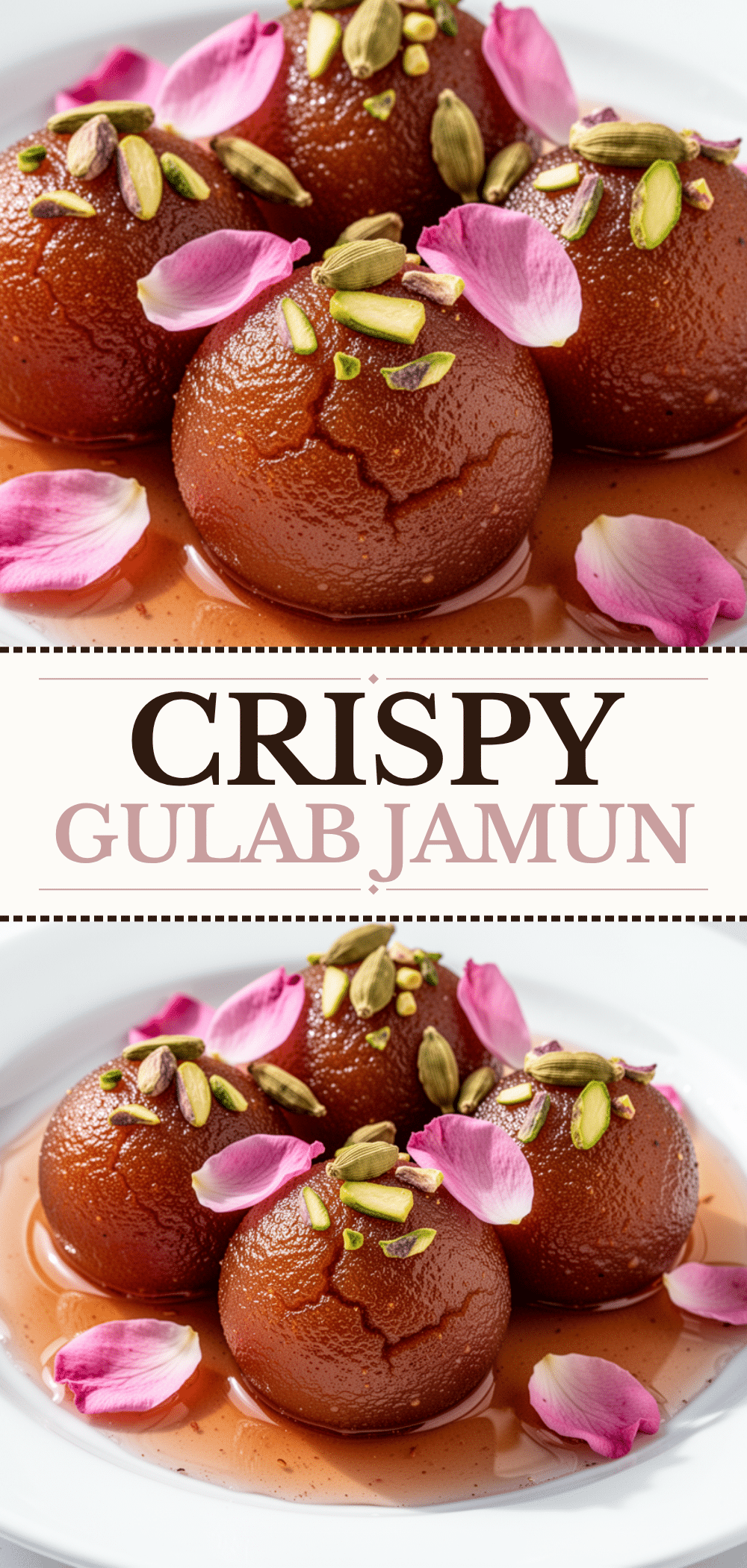
Indian Gulab Jamun: 15-Min Best Homemade Dessert
- Total Time: 55 minutes
- Yield: 6 servings 1x
Description
Soft, spongy, and syrup-soaked Indian dumplings made with a simple dough and classic rose-cardamom syrup. This recipe ensures perfect texture every time with easy-to-follow steps.
Ingredients
- 2 cups (250g) All-purpose flour
- ½ cup (50g) Full-fat milk powder
- 1 teaspoon Baking powder
- 1 tablespoon Ghee or unsalted butter
- ½ cup (120ml) Warm milk
- ½ teaspoon Cardamom powder
- 1½ cups (300g) Granulated sugar
- 1 cup (240ml) Water
- 4–5 Green cardamom pods, lightly crushed
- 1–2 tablespoons Rose water
- A pinch Saffron strands (optional)
- Chopped pistachios and almonds (for garnish)
- Oil for deep frying
Instructions
- Make the syrup: Combine sugar, water, and crushed cardamom pods in a saucepan. Heat over medium until sugar dissolves, then simmer for 5-7 minutes until it reaches ‘one-string’ consistency. Remove from heat and stir in rose water and saffron. Set aside to stay warm.
- Mix dry ingredients: In a large bowl, whisk together flour, milk powder, baking powder, and cardamom powder until no lumps remain.
- Add fat and milk: Rub ghee or butter into the dry mix until it resembles coarse crumbs. Gradually add warm milk, kneading gently for 2-3 minutes until the dough is soft, pliable, and slightly sticky. Do not over-knead.
- Rest the dough: Cover the dough with a damp cloth and let it rest for 10 minutes.
- Shape the dumplings: Grease hands with oil or ghee. Roll small portions of dough (walnut-sized) into smooth balls, ensuring no cracks are present.
- Fry the dumplings: Heat oil in a deep skillet to 300°F (150°C). Fry dumplings on medium-low heat for 10-12 minutes, turning occasionally, until deep golden brown.
- Soak in syrup: Remove fried dumplings from oil and immediately drop them into the warm syrup. Let soak for at least 10 minutes until they swell and become spongy.
Notes
Ensure the oil is at 300°F (150°C); too hot will burn the outside before the inside cooks, while too cool will make them greasy. Do not over-knead the dough to prevent gluten development, which makes the dumplings hard. The dough should be soft and slightly sticky. For best results, soak the dumplings in warm syrup for at least 10 minutes.
- Prep Time: 35 minutes
- Cook Time: 20 minutes
- Category: Dessert
- Cuisine: Indian
Nutrition
- Serving Size: 3 dumplings per serv
- Calories: 320
- Sugar: 30
- Sodium: 120
- Fat: 14
- Saturated Fat: 6
- Carbohydrates: 45
- Fiber: 1
- Protein: 5
Keywords: Indian dessert, gulab jamun, homemade sweets, rose cardamom syrup, fried dough, traditional Indian recipe