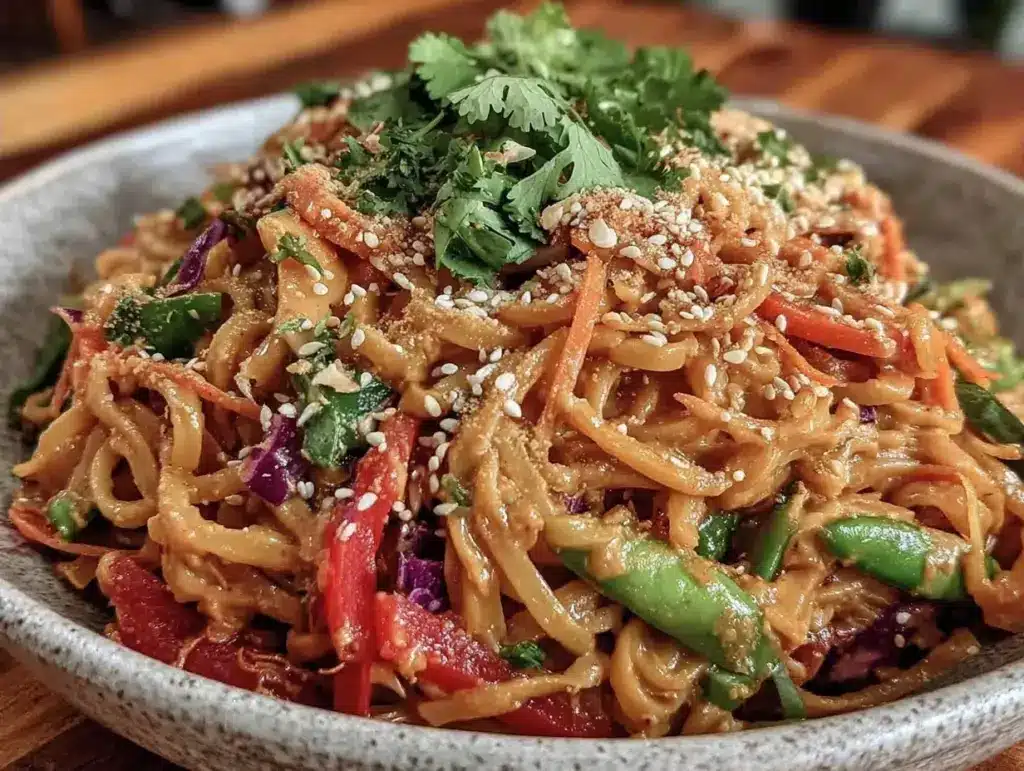
Last Thursday, I was staring into the abyss of my pantry. You know that look. It’s 6:30 PM, the fridge is humming loudly, and the only thing that looks edible is a jar of peanut butter that’s been there since last winter and a bag of ramen noodles I forgot to toss. I didn’t want to order takeout. I didn’t want to cook a “real” meal. I just wanted something warm, savory, and ridiculously fast.
So I threw together what I thought would be a mediocre slapdash dinner. I tossed some spaghetti with peanut butter, soy sauce, a splash of rice vinegar, and—here’s the confession—I accidentally doubled the sesame oil because my hand slipped. I stirred it up, took a bite, and stopped mid-chew. It wasn’t just good. It was incredible. The nuttiness was intense, the heat from the chili oil I added was perfect, and the texture was silky smooth. That accidental double-dose of sesame oil became the catalyst for my new obsession.
Since then, I’ve made these vegan peanut sesame noodles at least twelve times in two months. I’ve tweaked the ratios, tested different noodle types, and even tried swapping the peanut butter for cashew butter (don’t do that, it’s too sweet). This recipe has become my go-to for those nights when I need dinner to just work. It’s creamy, it’s savory, it’s got a little kick, and it comes together in 20 minutes flat. If you’re tired of the same old weeknight rotation, your taste buds will thank you for branching out with this one.
What I love most about these vegan peanut sesame noodles is how forgiving they are. You don’t need a perfectly organized kitchen. You don’t need exotic ingredients you can only find in a specialty store. You just need pantry staples and a willingness to taste as you go. It’s the kind of recipe that feels like a cheat code for dinner. Let me walk you through exactly how I make it, the tools I swear by, and the little tricks that turn a simple noodle bowl into a flavor explosion.
Why You’ll Love This Recipe
Look, I get it. You’re busy. Life is loud. Dinner needs to be easy, delicious, and ready before the kids (or you) lose their minds. Here is why this vegan peanut sesame noodles recipe has earned a permanent spot in my weekly rotation.
- Lightning Fast — 20 minutes from pot to plate. I make this after getting home from work at 7 PM, and it’s done before I’ve even taken off my shoes. It’s faster than ordering delivery.
- Pantry Staples Only — No trip to the store. Peanut butter, soy sauce, rice vinegar, garlic, ginger, and noodles. If you have these, you have dinner. It’s that simple.
- Creamy Without the Cream — The magic happens when you whisk warm water into the peanut butter. It emulsifies into a sauce that coats every strand like a rich dairy cream, but it’s 100% plant-based. No heavy feelings, just pure flavor.
- Customizable Heat — Want it mild? Skip the chili oil. Want it to burn? Add a teaspoon of gochujang. This recipe bends to your spice tolerance. I usually add a pinch of red pepper flakes for a gentle warmth that lingers.
- Meal Prep Friendly — I often make a double batch on Sunday. These noodles reheat beautifully in the microwave with a splash of water to loosen the sauce. They’re perfect for lunch boxes or quick midweek dinners.
- Protein-Packed — Thanks to the peanut butter and optional edamame or tofu, this isn’t just empty carbs. It’s a balanced, satisfying meal that keeps you full for hours.
This is my go-to when dinner needs to just work. It’s comforting yet exciting, familiar yet slightly adventurous. Once you try it, you’ll understand why I keep coming back to it.
Key Ingredients for the Best Sauce
The secret to these noodles isn’t the noodles themselves—it’s the sauce. Getting the balance of salty, sweet, nutty, and tangy right is crucial. Here’s what I use and why.
Peanut Butter
(1/2 cup / 120g) — I use natural, creamy peanut butter. No sugar added is best, but if you have the kind with palm oil and sugar, it’s fine, just reduce the added sugar in the recipe. Avoid the “no-stir” varieties with hydrogenated oils if you can; they don’t emulsify as smoothly. I prefer brands like Smucker’s Natural or Kirkland Signature because they’re affordable and reliable.
Sesame Oil
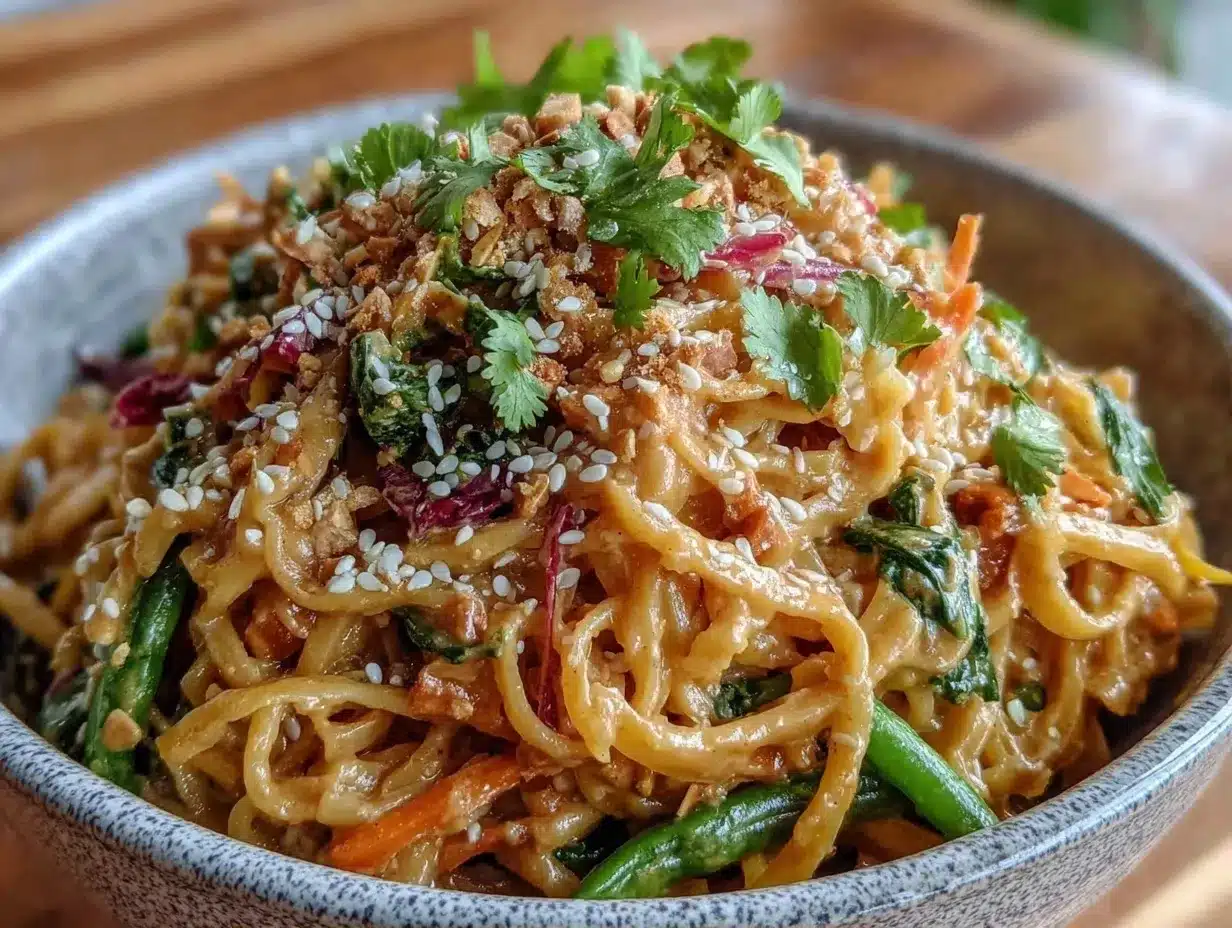
(2 tbsp / 30ml) — This is the star. Use toasted sesame oil, not the raw kind. The toasted version is dark, nutty, and aromatic. A little goes a long way. If you use too much, it can overpower the dish. I learned this the hard way on my first attempt—it tasted like a sesame seed factory exploded. Start with 1 tablespoon, taste, and add more if needed.
Soy Sauce
(3 tbsp / 45ml) — I use low-sodium soy sauce because it gives you control over the saltiness. If you use regular soy sauce, cut it down to 2 tablespoons. Tamari is a great gluten-free alternative if you need it.
Rice Vinegar
(1 tbsp / 15ml) — Unseasoned rice vinegar provides that necessary tang to cut through the richness of the peanut butter. Do not substitute with white vinegar or apple cider vinegar; the flavor profile will be off. You want that clean, mild acidity.
Maple Syrup
(1 tbsp / 15ml) — Just a touch of sweetness to balance the salt and acid. Agave nectar works too, but I like the subtle molasses note of maple syrup. Honey is obviously not vegan, so skip that.
Garlic and Ginger
(3 cloves garlic, minced / 1 tsp fresh grated ginger) — Fresh is non-negotiable here. Jarred garlic tastes metallic in this sauce, and powdered ginger lacks the bright, spicy punch of fresh root. Keep a knob of ginger in your fridge; it lasts for weeks.
Noodles
(8 oz / 225g) — I use whole wheat spaghetti or brown rice noodles for a healthier twist, but classic white spaghetti works too. For an authentic touch, try rice stick noodles or even ramen noodles (discard the flavor packet). The shape doesn’t matter much, but thinner noodles hold the sauce better.
Toppings
(Optional but recommended) — Sliced green onions, crushed peanuts, sesame seeds, and fresh cilantro. These add texture and freshness. I also love adding steamed broccoli or edamame for extra veggies and protein.
Tools Needed
You don’t need fancy equipment. Here’s what I use.
Large Pot — I use a 6-quart pot for boiling the noodles. If you have a smaller pot, just boil in batches. My ancient college pot still works fine, so don’t worry about buying new gear.
Medium Mixing Bowl — This is for whisking the sauce. A bowl with a wide mouth makes it easier to get all the peanut butter incorporated.
Whisk — Essential for creating that silky emulsion. A fork works in a pinch, but a whisk is much faster.
Grater or Microplane — For the ginger. If you don’t have one, just mince it as finely as possible.
Slotted Spoon or Tongs — For transferring noodles directly from the pot to the sauce. Saving a cup of pasta water is key, so keep the slotted spoon handy.
How to Make Vegan Peanut Sesame Noodles
Let’s get cooking. This process is straightforward, but timing matters.
Step 1: Boil the Noodles (8-10 minutes)
Bring a large pot of salted water to a boil. Add your noodles and cook according to package directions until al dente. This usually takes 8-10 minutes for spaghetti, but check the box. While the noodles cook, start prepping your sauce ingredients. Chop the green onions, mince the garlic, and grate the ginger. Having everything ready before the noodles are done makes the final assembly smooth and stress-free.
Step 2: Reserve Pasta Water (1 minute)
Before you drain the noodles, scoop out 1/2 cup of the starchy pasta water. Set it aside. This liquid gold is crucial for thinning the sauce and helping it cling to the noodles. Don’t skip this step. I learned this from making one-pot taco pasta, where the starch is just as important.
Step 3: Make the Sauce (2 minutes)
In your medium mixing bowl, combine the peanut butter, sesame oil, soy sauce, rice vinegar, maple syrup, minced garlic, and grated ginger. Whisk them together. It will look thick and clumpy at first. That’s okay. Slowly drizzle in about 1/4 cup of the hot pasta water while whisking vigorously. The sauce will smooth out and become creamy. If it’s still too thick, add more pasta water, one tablespoon at a time, until you reach a pourable consistency. It should coat the back of a spoon but still flow easily.
Step 4: Combine and Toss (1 minute)
Drain the noodles and add them directly to the bowl with the sauce. Toss everything together with tongs or a large spoon. The heat from the noodles will help warm the sauce and make it even silkier. If you like it spicy, add a teaspoon of chili oil or sriracha now and mix well.
Step 5: Plate and Garnish (1 minute)
Divide the noodles into bowls. Top with sliced green onions, crushed peanuts, sesame seeds, and fresh cilantro. Serve immediately while hot. The contrast of the warm noodles and fresh toppings is what makes this dish sing.
Total time: 20 minutes. Active time: 15 minutes. Cook time: 10 minutes (mostly passive).
Expert Tips from My Kitchens
Here’s everything I learned from making this too many times.
The Game-Changers
Don’t Skimp on the Pasta Water
This is the #1 mistake people make. Peanut butter sauce can be thick and gluey. The starch in the pasta water acts as a binder, creating an emulsion that mimics the texture of a cream sauce. Without it, your noodles will be dry and coated in clumps of peanut butter. Always use hot water from the pot.
Toast Your Noodles? No, Toast Your Seeds
If you’re using sesame seeds as a garnish, toast them in a dry pan for 2 minutes before sprinkling. It unlocks a deeper nutty flavor that raw seeds just don’t have. It’s a small step that makes a big difference.
Adjust Consistency to Preference
Some people like their noodles saucy, others like them dry. I prefer a light coating. If you’re meal prepping, make the sauce slightly thinner, as the noodles will absorb it in the fridge. You can always add more sauce later.
Common Problems & Solutions
Sauce is too thick — Add more hot pasta water, one tablespoon at a time. Whisk well between additions.
Sauce is too salty — Add a splash of rice vinegar or a teaspoon of maple syrup to balance it. If it’s way off, add more plain water.
Sauce is too sweet — Add a splash of soy sauce or a squeeze of lime juice to cut the sweetness.
Noodles are sticking together — Toss them with a little oil immediately after draining, or mix them into the sauce right away. Don’t let them sit in the colander.
Pro Tricks
Use a Hand Blender
If you want an ultra-smooth sauce, blend the sauce ingredients in a blender or with an immersion blender before tossing with the noodles. It removes any lumps of peanut butter or ginger.
Double the Batch
This recipe scales easily. I often make 16 ounces of noodles and double the sauce. It’s perfect for meal prep containers. Just store the sauce separately if you’re prepping for more than 2 days, to keep the noodles from getting soggy.
Recipe Variations
Once you’ve nailed the basic version, here’s how to mix it up.
Spicy Peanut Noodles
Add 1-2 teaspoons of gochujang (Korean chili paste) or sriracha to the sauce. This adds a deep, fermented heat that pairs beautifully with the sesame. I love this version with a fried egg on top.
Green Curry Peanut Noodles
Swap the rice vinegar for 1 tablespoon of green curry paste. Add a splash of coconut milk to the sauce for extra creaminess. It’s a completely different flavor profile but uses the same base technique.
Asian Slaw Noodles
Toss in shredded purple cabbage, carrots, and bell peppers. The crunch adds a wonderful texture contrast. This is great for using up leftover veggies from your fridge.
Protein-Packed Version
Add 1 cup of steamed edamame or 4 ounces of cubed firm tofu (pan-fried until crispy). The tofu soaks up the sauce and adds a nice chew. I often do this when I need a heavier meal.
Dietary Modifications
Gluten-Free — Use tamari instead of soy sauce and gluten-free noodles (rice or buckwheat).
Nut-Free — Swap peanut butter for sunflower seed butter or soy nut butter. It’s slightly less sweet but works well.
Sugar-Free — Skip the maple syrup and use a zero-calorie sweetener like stevia or monk fruit, or just omit it if you prefer savory.
Serving & Storage
Serving
I serve these noodles as a main dish, but they also work as a side for grilled veggies or tofu. Top with fresh herbs like cilantro or Thai basil. A squeeze of lime juice right before eating brightens everything up. For sides, I recommend a simple cucumber salad or steamed bok choy. It pairs well with a light beer or iced green tea.
Storage
Refrigerator — Store leftovers in an airtight container for up to 3 days. The noodles will absorb the sauce, so they’ll look drier. To reheat, add a splash of water or soy sauce and microwave for 1-2 minutes, stirring halfway through.
Freezer — I don’t recommend freezing these noodles. The texture of the noodles changes when frozen and reheated; they can become mushy. The sauce separates too. It’s best enjoyed fresh.
Meal Prep — For best results, store the sauce and noodles separately. Combine them just before eating. This keeps the noodles from getting soggy.
Nutrition Information
I’m not a nutritionist, but here’s the breakdown per serving (assuming 2 servings with 8 oz noodles and 1/2 cup sauce).
| Nutrient | Amount |
|---|---|
| Calories | 550 kcal |
| Protein | 20g |
| Carbs | 65g |
| Fiber | 6g |
| Fat | 22g |
| Sodium | 800mg |
My Take: This is comfort food with healthy fats from the peanuts. It’s not diet food, but it’s better than takeout and I know what’s in it. The protein from the peanut butter and noodles keeps you full. If you’re watching sodium, use low-sodium soy sauce and rinse the noodles.
Final Thoughts
These vegan peanut sesame noodles are more than just a quick dinner; they’re a reminder that delicious food doesn’t have to be complicated. I’ve made this recipe so many times, and it never gets old. The flavors are bold, the texture is satisfying, and it’s incredibly easy to customize. Whether you’re a vegan or just looking for a new weeknight idea, give this a try. Your taste buds will thank you for branching out.
If you make this, drop a comment! I love hearing how it turns out in your kitchen. Did you add extra spice? Did you use a different noodle? Share your variations. And if you need more quick, flavorful ideas, check out my easy sticky Korean ground beef bowls for another Asian-inspired weeknight win.
Happy cooking!
FAQs
Can I use crunchy peanut butter?
Yes, but the sauce won’t be as smooth. You’ll have chunks of peanut in the sauce, which some people love. If you want a smoother texture, use creamy peanut butter or blend the sauce.
What noodles work best?
Spaghetti, linguine, or rice noodles are great. Ramen noodles (without the packet) also work well. Avoid thick udon noodles unless you adjust the sauce ratio, as they require more sauce.
Can I make this ahead of time?
Yes, but store the sauce and noodles separately. Combine them when you’re ready to eat. This prevents the noodles from absorbing all the sauce and becoming dry.
Is this recipe gluten-free?
Not by default, as soy sauce contains wheat. To make it gluten-free, use tamari and gluten-free noodles. The rest of the ingredients are naturally gluten-free.
Why is my sauce too thick?
Peanut butter is thick. Add more hot pasta water, one tablespoon at a time, until it reaches your desired consistency. You can also add a splash of warm water.
Can I add vegetables?
Absolutely. Steamed broccoli, snap peas, carrots, or bell peppers are all great additions. Just make sure they’re cooked or raw-crisp before tossing with the noodles.
Pin This Recipe!
Vegan Peanut Sesame Noodles: The 20-Minute Taste Bud Adventure
- Total Time: 20 minutes
- Yield: 2 servings 1x
Description
A creamy, savory, and spicy vegan noodle dish made with pantry staples in just 20 minutes. This recipe uses peanut butter, sesame oil, and soy sauce for a rich sauce that comes together faster than takeout.
Ingredients
- 8 oz (225g) noodles (whole wheat spaghetti, brown rice noodles, or ramen noodles without flavor packet)
- 1/2 cup (120g) natural creamy peanut butter
- 2 tbsp (30ml) toasted sesame oil
- 3 tbsp (45ml) low-sodium soy sauce (or tamari for gluten-free)
- 1 tbsp (15ml) unseasoned rice vinegar
- 1 tbsp (15ml) maple syrup
- 3 cloves garlic, minced
- 1 tsp fresh grated ginger
- 1/2 cup hot pasta water (reserved from boiling)
- Optional toppings: sliced green onions, crushed peanuts, sesame seeds, fresh cilantro, chili oil or sriracha
Instructions
- Bring a large pot of salted water to a boil. Add noodles and cook according to package directions until al dente (8-10 minutes).
- Before draining, reserve 1/2 cup of the starchy pasta water and set aside.
- In a medium mixing bowl, combine peanut butter, sesame oil, soy sauce, rice vinegar, maple syrup, minced garlic, and grated ginger.
- Whisk the mixture until thick. Slowly drizzle in about 1/4 cup of the hot pasta water while whisking vigorously until the sauce is smooth and creamy. Add more pasta water if needed to reach a pourable consistency.
- Drain the noodles and add them directly to the bowl with the sauce. Toss everything together with tongs or a large spoon.
- If desired, stir in chili oil or sriracha for heat.
- Divide noodles into bowls and top with green onions, crushed peanuts, sesame seeds, and fresh cilantro. Serve immediately.
Notes
Use toasted sesame oil for the best flavor. Do not skip the pasta water; it is essential for emulsifying the sauce. For meal prep, store sauce and noodles separately to prevent sogginess. Do not freeze this dish as the texture of the noodles will suffer.
- Prep Time: 10 minutes
- Cook Time: 10 minutes
- Category: Main Course
- Cuisine: Asian
Nutrition
- Serving Size: 1 bowl (approx. 4 oz
- Calories: 550
- Sugar: 8
- Sodium: 800
- Fat: 22
- Saturated Fat: 4
- Carbohydrates: 65
- Fiber: 6
- Protein: 20
Keywords: vegan, peanut noodles, sesame noodles, quick dinner, weeknight meal, gluten-free option, plant-based, 20 minute recipe, noodle bowl


