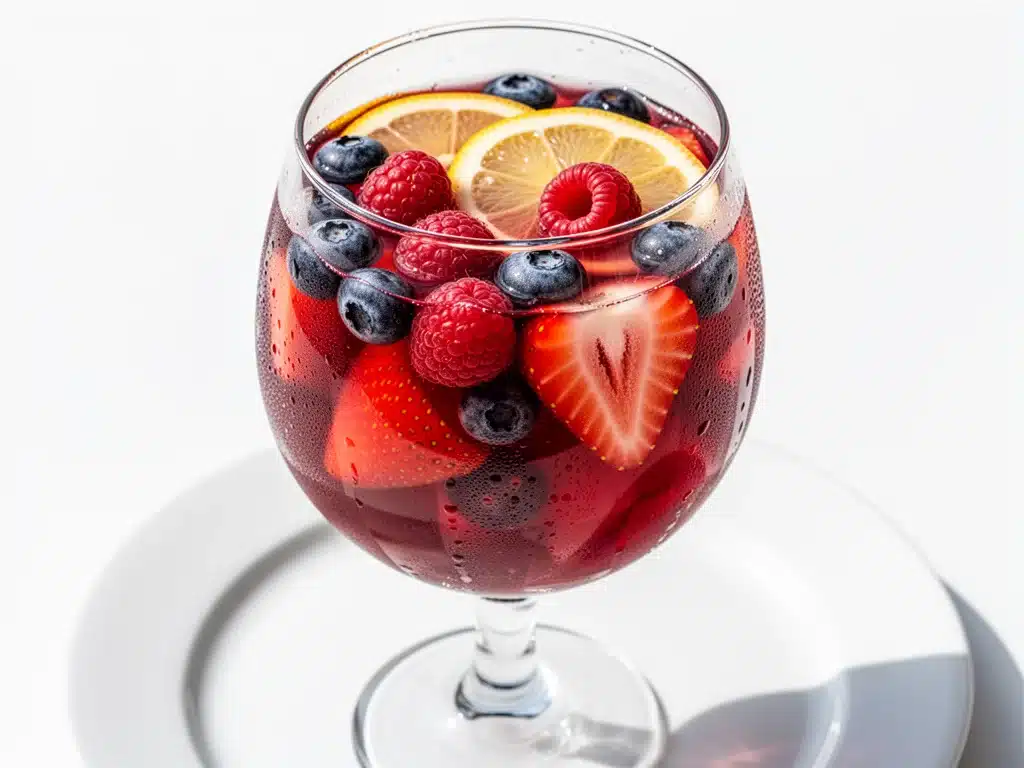
Last July, I was standing on my back patio at 7 PM, sweating through a linen shirt, staring at a pitcher of wine that tasted like it had been sitting in the sun since Tuesday. My friends were arriving in twenty minutes, and I had panic-stricken thoughts about buying expensive pre-made sangria from the store. You know the kind—the kind that tastes like artificial syrup and regret. But then I remembered my abuela’s kitchen in Spain, where sangria wasn’t just a drink; it was a slow, social ritual. She never rushed it. She let the fruit macerate, let the flavors marry, and let the summer heat do the work.
That evening, I threw away the store-bought bottle and grabbed three different berries, a bottle of cheap(ish) red wine, and some orange juice from my fridge. I tossed it all in a glass pitcher, threw it in the fridge for four hours, and poured it out for my friends. They didn’t even notice the difference between that and the fancy version they’d had in Madrid. That was the moment I realized: berry sangria doesn’t need to be complicated. It just needs fresh fruit, good wine, and a little patience.
This recipe has become my absolute go-to for every summer gathering since. It’s the first thing I make when I have guests over. It’s vibrant, it’s refreshing, and it looks like you spent hours crafting it (even though it takes less than 10 minutes of active work). I’ve tested this berry sangria recipe at least a dozen times—sometimes with strawberries, sometimes with blueberries, sometimes with a chaotic mix of whatever is on sale at the farmers market. The result is always the same: an empty pitcher and a crowd asking for the recipe before they’ve even taken their first sip. It’s the ultimate easy summer cocktail that feels luxurious but costs pennies compared to bar prices.
Why You’ll Love This Recipe
There are about ten reasons I keep making this berry sangria, but here are the big ones that keep it in my weekly rotation.
- Makes a Crowd Effortlessly — Seriously, if you can chop fruit and pour wine, you can host a party. I’ve made this for dinner parties of 20 and backyard barbecues of 50. It scales up beautifully without losing any flavor. I usually double or triple the batch because it disappears fast.
- Flavors Get Better with Time — Unlike many cocktails that need to be shaken and served immediately, this berry sangria is a “make-ahead” dream. The fruit releases its juices into the wine, sweetening and deepening the flavor over several hours. I love that I can make it in the morning and just pour it out when guests arrive.
- Uses Cheap Wine — This is the secret. You do not need expensive wine for sangria. In fact, high-end wine often gets lost among the fruit and sugar. I use a decent bottle of Spanish Garnacha or a California Merlot that costs under $15. If it’s drinkable on its own, it’s good enough for sangria.
- Visually Stunning — Let’s be honest, we all drink with our eyes first. The deep red wine mixed with bright red strawberries, blue blueberries, and orange slices looks incredible in a clear glass pitcher. It’s Pinterest-perfect without any effort. It looks fancy, which makes you look like a pro host.
- Customizable to Any Taste — Hate sweet? Reduce the sugar. Love orange? Add more zest. Want it boozy? Add more brandy. This recipe is a template, not a rulebook. I’ve made it for my teetotaler friends by swapping the wine for grape juice (it’s amazing), and for my boozy friends by adding extra rum.
- Budget-Friendly — Buying individual cocktails at a bar runs $12-$15 each. Making this batch costs me about $20-$25 for all the ingredients, which serves 10-12 people. That’s less than $2 per drink. I can’t beat that.
This is my go-to when I need a drink that just works. No ice dilution issues, no complicated garnishes, just reliable, delicious, fruity goodness that makes everyone happy.
Ingredients You’ll Need
Here’s the best part: you probably have most of this already, or it’s super easy to grab. I’m particular about the wine and the fruit, but the rest is pretty flexible.
For the Base
Red Wine (1 bottle, 750ml) — I recommend a Garnacha (Grenache), Tempranillo, or a fruity Merlot. Avoid oaky wines like Cabernet Sauvignon; the oak clashes with the fruit. Look for “dry but fruity” on the label. A Spanish Rioja is traditional and works beautifully.
Orange Juice (1 cup / 240ml) — Freshly squeezed is best, but good quality pulp-free juice from the carton works fine. It adds acidity and brightness. If you want it less sweet, use half orange juice and half sparkling water.
Triple Sec or Cointreau (½ cup / 120ml) — This is an orange-flavored liqueur that boosts the citrus notes. If you don’t have it, Grand Marnier works too, or even a splash of vanilla extract if you’re in a pinch (though it changes the profile slightly).
For the Fruit
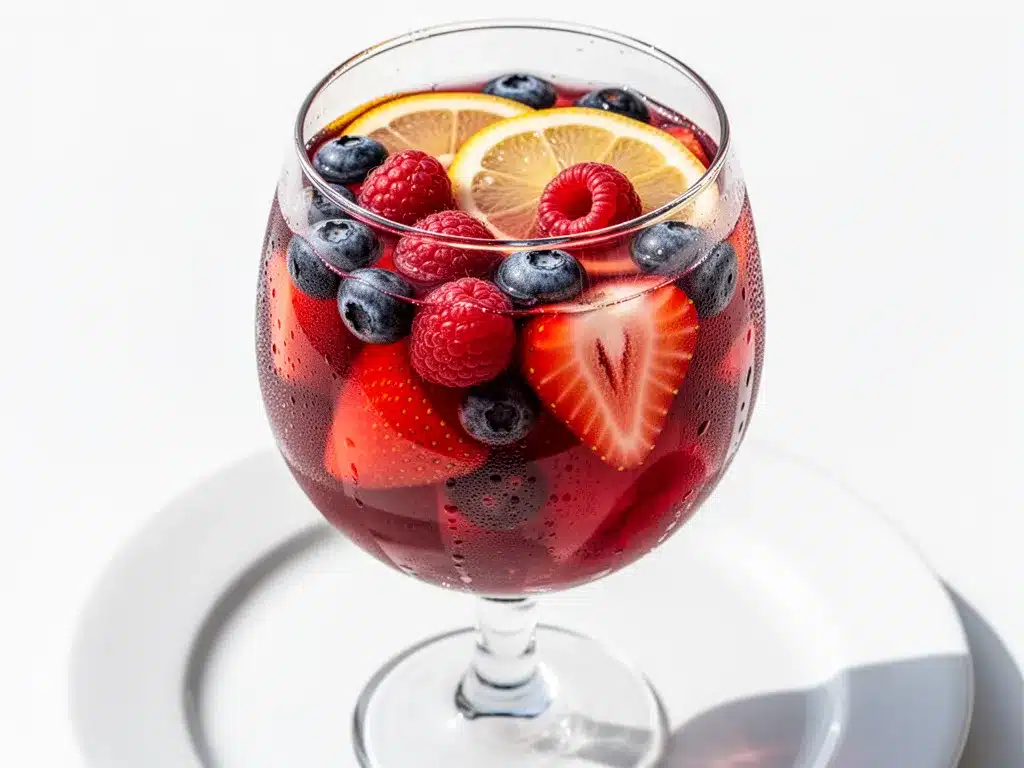
Strawberries (1 pint / 450g) — Hull them and slice them. Strawberries are the backbone of this berry sangria. They release a lot of juice and color. Use ripe ones; if they’re bland, your sangria will be bland.
Raspberries (1 pint / 450g) — These add a tart contrast. They’re delicate, so handle them gently. If you can’t find fresh raspberries, frozen ones work, but thaw them first so they don’t ice-cold your drink.
Blueberries (1 cup / 150g) — These add a nice pop of color and a subtle sweetness. They hold their shape well, so you get little bursts of flavor in every sip.
Lemon (1 medium, sliced) — Adds a nice citrus zing. Squeeze the juice into the pitcher before dropping the slices in.
For the Sweetener & Finish
Simple Syrup or Sugar (2-4 tablespoons) — This depends on how sweet your fruit and wine are. Start with 2 tablespoons, taste, and add more if needed. Honey works too, but it doesn’t dissolve as easily in cold liquid.
Soda Water or Sparkling Water (1 cup / 240ml) — This is added right before serving to give it a little fizz. It lightens the heavy wine flavor and makes it more refreshing. If you don’t want bubbles, skip this or use more orange juice.
Ice — Lots of it. I use a large block of ice if I have one, because it melts slower than cubes. But regular cubes work fine too.
Equipment Needed
You don’t need fancy equipment for this. Here’s what I actually use.
Large Glass Pitcher — I use a 2-quart or 3-quart pitcher. Glass is best because you can see the beautiful color and fruit layers. A large bowl works if you don’t have a pitcher, but it’s harder to serve from.
Knife and Cutting Board — For slicing strawberries, oranges, and lemons. A serrated knife is great for strawberries.
Measuring Cups and Spoons — For the juice and liqueur. Accuracy helps, but eyeballing is okay too.
Long Spoon — A large wooden or plastic spoon for stirring the fruit and wine together. You need something long enough to reach the bottom of the pitcher.
Strainer (Optional) — If you hate getting fruit in your teeth when you pour, keep a mesh strainer handy. But honestly, I love the fruit in my glass.
How to Make It: Step-by-Step
Alright, let’s make this! I’m walking you through exactly how I do it, including the little tricks I’ve picked up.
Step 1: Prep Your Fruit (10 minutes)
Wash all your berries gently. Hull and slice the strawberries into quarters or halves, depending on their size. Slice the oranges and lemon into thin rounds. If you like, you can squeeze the orange juice into the pitcher first, then add the slices. I like to see the fruit floating.
Step 2: Macerate the Fruit (5 minutes)
Place the sliced strawberries, raspberries, and blueberries into your large pitcher. Sprinkle the sugar or simple syrup over the fruit. Gently toss the fruit with a spoon to coat it in the sugar. This helps draw out the juices. Let it sit for about 5-10 minutes while you prep the liquid ingredients. You’ll see the berries starting to release their colorful juices.
Step 3: Add the Liquids (5 minutes)
Pour in the orange juice and the triple sec (or your chosen liqueur). Stir gently to combine with the fruit juices. Now, open your bottle of red wine. Pour the entire bottle into the pitcher. Stir slowly but thoroughly. You want to make sure the wine mixes well with the fruit juices and sugar. The mixture will turn a deep, gorgeous ruby red.
Step 4: The Chill (4-24 hours)
Cover the pitcher with plastic wrap or a lid. Place it in the refrigerator. This is the most important step. The flavors need time to meld. I usually make it at least 4 hours ahead, but overnight is best. The longer it sits, the more flavorful it gets. Just don’t leave it for more than 24 hours, or the fruit can start to get mushy and break apart.
Step 5: Add the Fizz and Serve
About 30 minutes before you plan to serve, take the pitcher out of the fridge. Add the soda water. This is optional but recommended for a lighter, spritzier drink. Stir gently one last time. Fill glasses with ice. Ladle the sangria into glasses, making sure each person gets a good mix of liquid and fruit. Garnish with a fresh strawberry or orange slice if you want to be fancy.
Total Time: 15 minutes active + 4+ hours chilling.
Expert Tips & Tricks
Here’s everything I’ve learned from making this berry sangria dozens of times. These tips will save you from my mistakes.
Choose the Right Wine
This is the #1 tip. Do not use cooking wine. Do not use wine you wouldn’t drink. But also, don’t spend $40. Look for a wine labeled “Garnacha” or “Grenache.” These are naturally fruity and low in tannins, which means they won’t make your sangria taste bitter. If you can’t find those, a fruity Merlot or Pinot Noir works well.
Don’t Skip the Maceration
I know it’s tempting to just dump everything in and go. But letting the sugar sit with the fruit for 10 minutes draws out natural juices. This creates a richer, more complex flavor base than just adding sugar to the wine. It’s a small step that makes a huge difference.
Control the Sweetness
Every batch of fruit is different. Some strawberries are super sweet; some are tart. Taste the mixture after adding the wine. If it’s too tart, add more sugar. If it’s too sweet, add a splash of lemon juice or more soda water. Adjust to your palate.
Use Large Ice Blocks
If you’re serving this at a party, regular ice cubes melt fast and water down your sangria. If you have space in your freezer, make a large block of ice or use frozen grapes. Frozen grapes are genius—they chill the drink without diluting it, and you can eat them later!
Add Herbs for Complexity
I love adding a few sprigs of fresh mint or basil to the pitcher. It adds an aromatic freshness that complements the berries beautifully. Just remember to remove the herbs before serving if you want a clean look, or leave them in for a rustic vibe.
Variations & Substitutions
Once you’ve nailed the basic version, here’s how you can mix it up. I’ve tried all of these.
White Wine Berry Sangria
Swap the red wine for a Sauvignon Blanc or Pinot Grigio. Use white peaches, green apples, and citrus fruits instead of berries. It’s lighter and crisper, perfect for hot afternoons.
Rum Sangria
Add ½ cup of dark rum to the red wine version. This gives it a Caribbean twist. It pairs incredibly well with the raspberries. It’s like a fruity piña colada without the coconut.
Sparkling Sangria
Instead of soda water, use Prosecco or Cava. Add it right before serving. This makes it feel more celebratory, like a brunch drink. Be careful, though—it’s stronger because you’re not diluting it with juice.
Vegan Berry Sangria
This recipe is naturally vegan! Just make sure your sugar is vegan (some sugar is processed with bone char) and your wine is vegan (some wines use animal products for fining). Most cheap wines are vegan, but check if you’re picky.
Mocktail Version
Skip the wine and triple sec. Use grape juice (for the red wine version) or apple juice (for a lighter version). Add extra orange juice and soda water. It’s still delicious and fruity. I make this for my non-drinking friends, and they love it.
Seasonal Twists
– Summer: Use peaches and nectarines along with berries.
– Fall: Add a cinnamon stick and use apples.
– Winter: Add star anise and cloves. It gets warm and spiced.
Serving & Storage
How to Serve:
I usually serve this straight from the pitcher at the dinner table—it looks rustic and stays cold. But here are other ways I’ve enjoyed it:
- Garnishes: A sprig of mint, a slice of orange, or a few frozen blueberries per glass.
- Glassware: I love serving this in large wine glasses or mason jars for a casual vibe. For parties, clear plastic cups are fine, but glass looks better.
- Side Pairings: This goes great with grilled meats, which is why it’s perfect for summer BBQs. It also pairs well with charred corn and black bean dip or light appetizers like bruschetta.
Storage Instructions:
Refrigerator:
Store in an airtight pitcher or transfer to a large jar. It lasts up to 3 days in the fridge. After 3 days, the fruit starts to get soggy and the flavor can turn slightly fermented. It’s still safe to drink, but not as good.
Reheating:
Never serve this warm unless you want mulled wine. This is a cold drink. If it’s been sitting out too long, put it back in the fridge to chill.
Freezing:
I don’t recommend freezing this because the texture of the fruit changes, and the carbonation from the soda water will be gone. If you want to prep ahead, make the base (wine, juice, liqueur, fruit) and freeze it. Add the soda water when you thaw and serve.
Pro tip:
If you’re serving a large crowd, make the base the night before. Add the soda water and ice right before guests arrive. This keeps the drink fizzy and cold.
Nutrition Information
I’m not a nutritionist, but here’s the breakdown if you’re tracking. Keep in mind that this is an alcoholic beverage, so it’s not exactly “diet food,” but it’s lighter than many cocktails.
Per Serving (based on 8 servings, 1 cup each):
| Nutrient | Amount |
|---|---|
| Calories | 145 |
| Alcohol (approx.) | 12% |
| Total Carbs | 12g |
| Sugar | 9g |
| Fat | 0g |
| Protein | 1g |
| Sodium | 5mg |
What’s Good:
– Contains antioxidants from the red wine and berries.
– Lower calorie than creamy cocktails or sugary margaritas.
– Hydrating factor from the water content in fruit.
What to Know:
– Contains alcohol. Drink responsibly.
– Sugar content can vary based on fruit ripeness and added sweetener.
– Not suitable for pregnant women or those avoiding alcohol.
My Take:
Look, this is a cocktail. It’s meant to be enjoyed. But compared to a heavy whiskey sour or a sugary piña colada, this is one of the lighter options. I love that I can have two or three glasses at a BBQ without feeling too heavy. Just be mindful of the alcohol content—it sneaks up on you because it tastes so good!
Final Thoughts
So that’s my go-to berry sangria! I’ve probably talked your ear off at this point, but when you make a recipe this often, you have a lot to say about it.
This has saved summer evenings more times than I can count. It’s my answer to “what are we drinking?” when I’m tired, don’t want to make complicated cocktails, and still want something that tastes really good. My friends are happy, my family is happy, and I’m happy because I’m not stressed about mixing drinks.
Make it yours! Try different berries, swap the wine, adjust the sweetness. The best recipes are the ones you adapt to your family’s tastes. If you make this berry sangria, drop a comment and let me know what you think! I love hearing how recipes turn out in your kitchen. And if something doesn’t work, tell me that too—I’m here to help troubleshoot.
Happy sipping! And I hope your summer evenings are as refreshing as this drink.
Frequently Asked Questions
Q: Can I use white wine instead of red?
A: Yes! This is called “Sangria Blanca.” Use a crisp Sauvignon Blanc or Pinot Grigio. Swap the berries for stone fruits like peaches, nectarines, and green apples. It’s lighter and more citrus-forward. I love this version in the peak of summer heat.
Q: Why is my sangria too sweet?
A: It’s probably the fruit or the sugar. Taste the wine before you add sugar. If the wine is already sweet, skip the sugar entirely. If it’s too sweet now, add more orange juice or a splash of lemon juice to balance it. You can also add more soda water when serving to dilute the sweetness.
Q: Can I make this ahead for a party?
A: Absolutely! In fact, it’s better made ahead. The flavors need time to meld. I usually make it the night before. Just don’t add the soda water until right before serving, or it will go flat. Keep it covered in the fridge.
Q: What’s the best wine for sangria?
A: Look for a dry, fruity red wine with low tannins. Garnacha (Grenache), Tempranillo, or a fruity Merlot are great choices. Avoid heavily oaked wines like Cabernet Sauvignon or Barolo, as the oak flavor doesn’t mix well with fruit. A Spanish Rioja is traditional and works perfectly.
Q: Can I use frozen berries?
A: Yes, but thaw them first. Frozen berries straight from the freezer will ice-cold your sangria and might not release their juices as well. If you use them fresh, they’ll keep the drink colder longer. Just make sure they’re ripe and flavorful.
Q: How strong is this sangria?
A: It’s moderate. With 750ml of wine (about 5 standard drinks) plus ½ cup of triple sec (about 4 standard drinks) diluted with juice and fruit, each 8oz serving has about 1.5-2 standard drinks. It’s strong enough to feel a buzz, but light enough to sip all evening. Be careful—it’s easy to overdo!
Q: Can I make a non-alcoholic version?
A: Yes! Swap the wine for grape juice (for red sangria) or apple juice (for white sangria). Swap the triple sec for orange juice or a splash of vanilla extract. Add extra soda water for fizz. It’s still delicious and fruity. I make this for my non-drinking friends, and they love it.
Pin This Recipe!
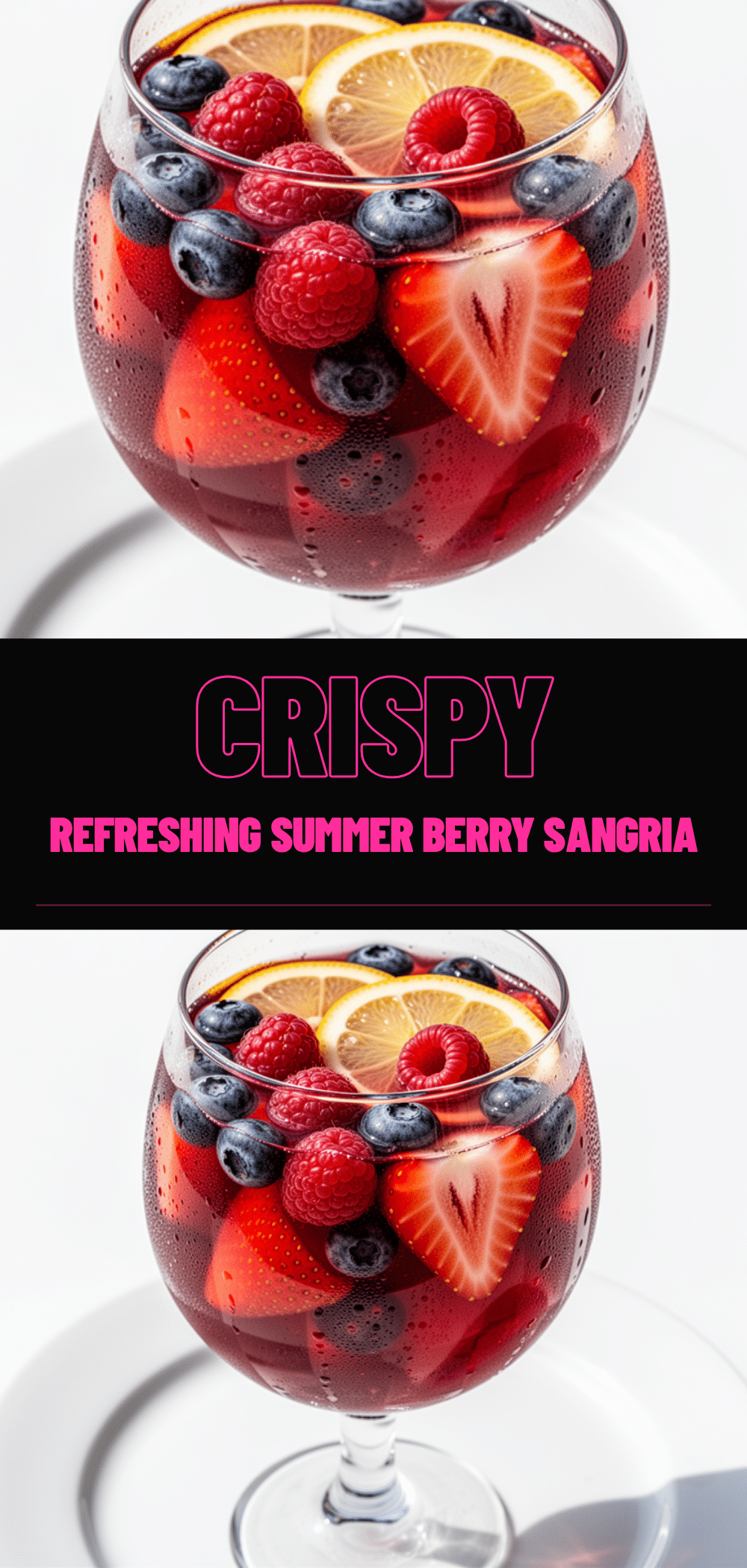
Berry Sangria: 5 Best Easy Summer Cocktail
- Total Time: 4 hours 15 minutes
- Yield: 8 servings 1x
Description
A refreshing, make-ahead berry sangria that combines red wine, fresh berries, and citrus for a crowd-pleasing summer cocktail that is easy to make and budget-friendly.
Ingredients
- 1 bottle (750ml) dry fruity red wine (e.g., Garnacha, Tempranillo, or Merlot)
- 1 cup (240ml) orange juice
- ½ cup (120ml) Triple Sec or Cointreau
- 1 pint (450g) strawberries, hulled and sliced
- 1 pint (450g) raspberries
- 1 cup (150g) blueberries
- 1 medium lemon, sliced
- 2–4 tablespoons simple syrup or sugar
- 1 cup (240ml) soda water or sparkling water
- Ice (large blocks or cubes)
Instructions
- Wash berries and slice strawberries into quarters or halves. Slice oranges and lemons into thin rounds.
- Place sliced strawberries, raspberries, and blueberries into a large glass pitcher.
- Sprinkle sugar or simple syrup over the fruit and gently toss to coat. Let sit for 5-10 minutes to macerate and release juices.
- Pour in the orange juice and Triple Sec (or chosen liqueur). Stir gently to combine.
- Open the red wine and pour the entire bottle into the pitcher. Stir slowly but thoroughly to mix with fruit juices and sugar.
- Cover the pitcher with plastic wrap or a lid and refrigerate for at least 4 hours, or overnight (up to 24 hours).
- About 30 minutes before serving, remove from the fridge and add soda water. Stir gently.
- Fill glasses with ice and ladle the sangria into glasses, ensuring each serving gets a mix of liquid and fruit.
- Garnish with fresh strawberry or orange slice if desired.
Notes
Do not use oaky wines like Cabernet Sauvignon as the oak clashes with the fruit. The sangria improves with time, so making it the night before is recommended. Add soda water only right before serving to maintain fizz. For a non-alcoholic version, substitute wine with grape juice and Triple Sec with orange juice.
- Prep Time: 15 minutes
- Cook Time: 0 minutes
- Category: Cocktail
- Cuisine: Spanish
Nutrition
- Serving Size: 1 cup
- Calories: 145
- Sugar: 9
- Sodium: 5
- Carbohydrates: 12
- Protein: 1
Keywords: berry sangria, summer cocktail, red wine sangria, easy party drink, make-ahead cocktail, gluten-free, vegan


