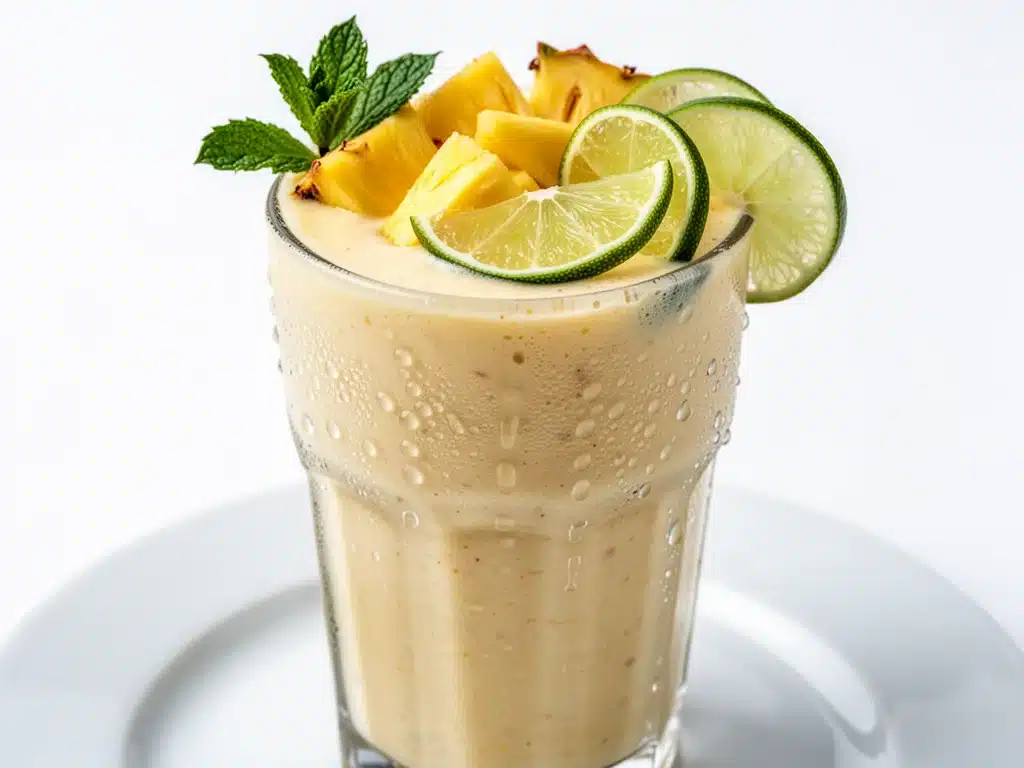
It was 94 degrees in July, the kind of heat that makes the asphalt feel soft under your sneakers. I had just finished a three-hour photoshoot for a brand partnership, standing in front of a white backdrop that probably reflected the sun right back into my eyes. I walked into the kitchen, opened the fridge, and stared at the empty space where my usual iced coffee should have been. I was dehydrated, exhausted, and desperate for something cool. Not a sugary soda. Not a heavy protein shake. Just something that tasted like a vacation and actually made me feel better.
I grabbed a carton of coconut water, a handful of frozen mango chunks from the freezer, and a banana that was looking a little too brown to eat raw. I threw them in the blender and hit the button. Three minutes later, I had a drink that tasted like liquid sunshine. It was light, sweet without being cloying, and incredibly hydrating. I drank it in one go, stood up, and realized the brain fog was gone. That was the moment I knew I had found my new summer staple.
This tropical coconut water smoothie isn’t just a drink; it’s my reset button. I’ve made this recipe at least fifty times since that hot July afternoon. Some days I add spinach (you won’t taste it, I promise). Some days I throw in some protein powder because I’m feeling ambitious. But the core? It’s always the same. Coconut water, frozen fruit, and a splash of lime. It’s the ultimate refreshing summer drink, and it takes less time than it takes to drive to a coffee shop. If you’re tired of heavy, clunky smoothies that sit in your stomach like a brick, you need to try this. It’s light, it’s tropical, and it’s going to change your afternoons.
Why You’ll Love This Recipe
There are about a dozen reasons I keep making this smoothie, but here are the big ones that keep me coming back to the blender every single morning.
Hydration That Actually Works — Most smoothies use juice or yogurt as a base, which can be heavy. Coconut water is packed with electrolytes like potassium and magnesium. I feel the difference. After a workout or a long day in the sun, this helps me rehydrate faster than water alone. It’s not just a treat; it’s functional fuel.
Zero Prep Time — Seriously, if you can open a carton and dump frozen fruit into a blender, you can make this. I’ve made this while holding my toddler on one hip. The ingredients require zero chopping, zero peeling (if you buy frozen chunks), and zero cooking. It’s the easiest breakfast or snack you’ll ever make.
Naturally Sweet — I don’t add any sugar, honey, or maple syrup. The sweetness comes entirely from the ripe banana and the mango. This means no sugar crash an hour later. You get that tropical sweetness without the guilt or the energy dip. It’s clean energy.
Customizable to Your Mood — One day I want it green and earthy with spinach. The next day I want it pink and fruity with berries. The coconut water base is neutral enough to handle any fruit combination. I treat it like a canvas. It’s never boring because I’m never making the same thing twice.
Light on the Stomach — This is the key. Heavy smoothies with Greek yogurt or ice cream can make you feel sluggish. This one is liquid-light. I can drink it and immediately get back to work, or go for a walk, or play with the kids. It doesn’t weigh me down. It wakes me up.
This is my go-to when I need a quick pick-me-up that doesn’t involve caffeine jitters. No complicated techniques, no weird ingredients, just reliable, delicious food that makes everyone happy.
Ingredients You’ll Need
Here’s the best part: you probably have most of this already. I’m particular about the quality of the coconut water, but the rest is pretty flexible. I’ll tell you exactly why each ingredient matters.
Coconut Water (1.5 cups / 360ml) — This is the star. I always choose brands with no added sugar or flavors. Look for clear, cold-pressed options if you can find them. It provides the hydration and the subtle savory-sweet balance. If you can’t find coconut water, plain almond milk works, but you lose the electrolyte boost.
Frozen Mango Chunks (1 cup / 150g) — Frozen fruit is non-negotiable for texture. It makes the smoothie thick and creamy without needing ice, which can water it down. Mango gives that classic tropical flavor. If you don’t like mango, pineapple or peaches work great too.
Ripe Banana (1 medium) — The banana adds creaminess and natural sweetness. It’s important that it’s ripe—brown spots are good here! It blends into a silky texture. If your bananas aren’t ripe enough, peel them and microwave them for 30 seconds to soften them up.
Fresh Lime Juice (1 tablespoon / 15ml) — This is the secret weapon. The acidity cuts through the sweetness of the fruit and brightens the coconut flavor. It makes the drink taste fresh instead of flat. Don’t skip this step. It’s the difference between a smoothie and a juice box.
Fresh Mint Leaves (4-5 leaves) — Optional, but highly recommended. It adds a cooling sensation that feels perfect in the summer heat. I tear the leaves slightly before blending to release the oils. If you don’t have mint, basil works surprisingly well too.
Ice (½ cup / optional) — Only add ice if your frozen fruit isn’t cold enough or if you want it extra slushy. Usually, the frozen fruit is enough. I prefer not to dilute the flavor with melting ice.
Optional Add-ins:
- Spinach (1 handful) — I add this for nutrients. You won’t taste it, but it turns the smoothie a lovely green color.
- Protein Powder (1 scoop) — Vanilla or unflavored works best. I use this after gym sessions. It adds thickness and keeps me full longer.
- Chia Seeds (1 teaspoon) — Adds fiber and omega-3s. They might get a little chewy, but it’s good for you.
- Coconut Cream (1 tablespoon) — For a richer, creamier texture. Use sparingly if you’re watching calories.
Shopping Tips:
I buy frozen mango in bulk bags from the warehouse store—it lasts forever and is always pre-chopped. For coconut water, I check the expiration date carefully and avoid any with added fruit juices. Fresh limes are cheap and easy to find year-round. Keep a bag of spinach in your fridge always; it fits in any smoothie.
Equipment Needed
You don’t need fancy equipment for this. Here’s what I actually use.
High-Speed Blender — I use a Vitamix, but a standard blender works fine too. The key is that it can crush frozen fruit. If your blender is weak, let the frozen fruit sit out for 5 minutes to soften slightly before blending.
Measuring Cups — I eyeball most of this, but if you’re adding protein powder or chia seeds, use a measuring spoon for consistency.
Glass or Tumbler — I serve this in a tall glass with a straw. It feels more refreshing than a mug. I like to chill my glass in the fridge beforehand for an extra cold drink.
Knife and Cutting Board — Just for cutting the lime and tearing the mint. Nothing fancy needed.
Optional:
- Juicer — If you want to juice your own lime, a handheld juicer is cheap and effective.
- Strainer — If you leave the seeds in the mango or don’t like pulp, a fine-mesh strainer can help, but I usually leave them in for fiber.
Tool Tips:
Don’t have a high-speed blender? Add the coconut water and lime juice first, blend until smooth, then add the frozen fruit and blend again. It helps get everything incorporated. Also, always wipe the inside of the blender lid before closing it—sticky fruit juice is a nightmare to clean later.
How to Make It: Step-by-Step
Alright, let’s make this! I’m walking you through exactly how I do it, including the little tricks I’ve picked up.
Step 1: Prep Your Ingredients (2 minutes)
Wash your lime and mint leaves. Cut the lime in half. Peel the banana and break it into chunks. If you’re using fresh spinach, give it a quick rinse. Measure out your coconut water. Having everything ready before you start ensures a smooth blending process.
Step 2: Add Liquids First (1 minute)
Pour the coconut water into the blender jar. This is important—liquids go in first to help the blades spin freely and prevent the blender from getting stuck on the frozen fruit. Add the fresh lime juice now. The acid will help preserve the color of the fruit if you’re letting it sit for a bit.
Step 3: Add Soft Ingredients (1 minute)
Add the banana chunks and any fresh spinach or soft add-ins like chia seeds. These blend easily and help create the creamy base. If you’re using protein powder, add it now so it dissolves into the liquid base.
Step 4: Add Frozen Fruit Last (1 minute)
Add the frozen mango chunks on top. They should be at the very top to help push the other ingredients down toward the blades. If you’re adding ice, add it now. The weight of the frozen fruit will help everything circulate.
Step 5: Blend Until Smooth (1-2 minutes)
Start the blender on low speed. Gradually increase to high. Blend for 45-60 seconds. You want it completely smooth with no chunks of fruit or green spinach bits. If it’s too thick, add a splash more coconut water. If it’s too thin, add more frozen fruit. The texture should be like a thick milkshake but lighter.
Step 6: Taste and Adjust (1 minute)
Taste the smoothie. If it’s not sweet enough, add a little more banana or a teaspoon of honey. If it tastes flat, add a squeeze more lime. This is your chance to customize it to your taste buds.
Step 7: Serve Immediately
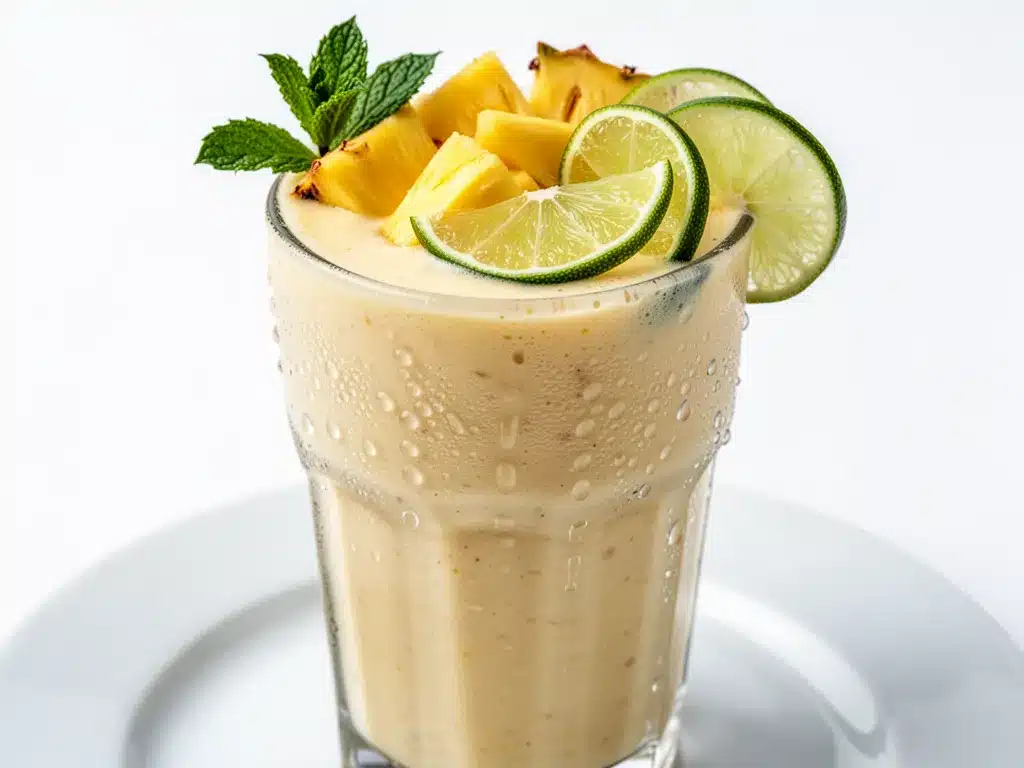
Pour into a chilled glass. Garnish with a lime wedge or a sprig of mint. Drink immediately while it’s cold and refreshing. It starts to separate after 10-15 minutes, so enjoy it right away.
Total Time: About 5 minutes (active time).
Yield: 1 large serving or 2 small servings.
Expert Tips & Tricks
Here’s everything I’ve learned from making this dozens of times. These tips will save you from my mistakes.
Freeze Your Fruit Properly
If you’re using fresh fruit, chop it and freeze it in a single layer on a baking sheet before storing it in a bag. This prevents the pieces from sticking together in a giant clump. Frozen mango chunks that are separate blend much easier.
Don’t Skip the Lime
I know it seems small, but the lime juice is what makes the flavor pop. Without it, the smoothie tastes one-dimensional. The acidity balances the natural sugars in the fruit. It’s the difference between a drink and a dessert.
Balance Your Ratios
The ratio of liquid to fruit is key. Start with 1.5 cups of coconut water and 1 cup of frozen fruit. If you like it thinner, add more liquid. If you like it thicker, add more fruit. It’s easy to adjust.
Prevent Browning
Bananas and apples brown quickly when exposed to air. If you’re prepping ingredients ahead, add the lime juice to the banana pieces to keep them bright yellow. The acid slows down the oxidation process.
Use Cold Coconut Water
If your coconut water is warm, your smoothie will be warm. Keep the carton in the fridge until the last minute. For an extra cold drink, freeze some coconut water in ice cube trays and use those instead of liquid. It adds chill without diluting the flavor.
Common Mistakes (and how to avoid them):
- Mistake: Smoothie is too thick — Fix: Add liquid one tablespoon at a time. Don’t dump it all in at once.
- Mistake: Smoothie is too thin — Fix: Add more frozen fruit or a few ice cubes. Blend again.
- Mistake: Blender stops working — Fix: Use a tamper if you have one, or stop and stir the ingredients down with a spoon. Never run a blender with a blocked blade.
Variations & Substitutions
Once you’ve nailed the basic version, here’s how you can mix it up. I’ve tried all of these.
Tropical Green Version
Add 1 cup of fresh spinach and swap the mango for pineapple. The spinach disappears completely, and the pineapple adds a tart kick. This is my favorite for a morning detox drink.
Berry Coconut Twist
Swap the mango for frozen mixed berries (strawberries, blueberries, raspberries). The color turns beautiful pink/purple. The berries are more tart, so you might want to add a little honey or maple syrup.
Protein Power
Add 1 scoop of vanilla protein powder and 1 tablespoon of almond butter. This makes it a full meal replacement. Great for post-workout recovery. The almond butter adds a nice richness.
Spicy Mango
Add a pinch of cayenne pepper or a small slice of fresh jalapeño. It sounds weird, but the heat pairs amazingly with the sweet mango and cool coconut. It’s refreshing and invigorating.
Dairy-Free Option
This recipe is naturally dairy-free. Just ensure your protein powder (if using) is plant-based. Coconut water is always dairy-free.
Gluten-Free Option
This recipe is naturally gluten-free. Just check your protein powder and any add-ins to ensure they’re certified gluten-free.
Different Fruits:
- Pineapple — Adds tartness and enzymes that aid digestion.
- Mango — Sweet and creamy, classic tropical flavor.
- Peaches — Softer flavor, great for summer.
- Watermelon — Very hydrating, but makes the smoothie thinner.
Serving & Storage
How to Serve:
I usually serve this straight from the blender in a tall glass with a reusable straw. It looks rustic and stays cold. Here are other ways I’ve enjoyed it:
- With a Lime Wheel — Adds a nice visual pop and extra aroma.
- With Crushed Ice — For an extra slushy texture.
- With a Sprig of Mint — For a fragrant finish.
Side Dishes:
This smoothie pairs well with light breakfasts like toast with avocado, oatmeal, or a fruit salad. It’s also great as an afternoon snack with a handful of almonds or a piece of fruit.
Storage Instructions:
Refrigerator: Smoothies are best fresh. If you must store it, keep it in a sealed jar for up to 2 hours. It will separate, so shake or stir well before drinking. The color may darken slightly due to oxidation.
Freezing: You can freeze the smoothie in ice cube trays and blend again later, but the texture will change. It’s better to freeze the ingredients separately and blend fresh.
Meal Prep: I prep the dry ingredients (banana, frozen fruit) in freezer bags. In the morning, I just dump the bag into the blender, add coconut water and lime, and blend. Takes 2 minutes.
Nutrition Information
I’m not a nutritionist, but here’s the breakdown if you’re tracking. This is for one large serving.
| Nutrient | Amount |
|---|---|
| Calories | 180 |
| Protein | 2g |
| Carbs | 45g |
| Fiber | 5g |
| Sugar | 35g (natural) |
| Fat | 1g |
| Sodium | 100mg |
| Potassium | 400mg |
What’s Good:
- High in potassium from coconut water and banana.
- Good source of vitamin C from mango and lime.
- Low in fat and calories.
- Natural sugars, no added sweeteners.
What to Know:
- Higher in natural sugars due to fruit content.
- Low in protein (add protein powder if needed).
- Dairy-free and gluten-free naturally.
My Take:
Look, this is a fruit smoothie. It’s going to have sugar. But it’s the good kind—the kind that comes with fiber and vitamins. It’s not a diet recipe, but it’s a healthy choice. When I want to make it more filling, I add protein powder or chia seeds. But usually? I just enjoy it as a refreshing treat.
Final Thoughts
So that’s my go-to tropical coconut water smoothie! I’ve probably talked your ear off at this point, but when you make a recipe this often, you have a lot to say about it.
This has saved my summer afternoons more times than I can count. It’s my answer to “what’s for a snack” when I’m hot, tired, and don’t want heavy food. My kids are happy, my friends are happy, and I’m happy because I’m hydrated and energized.
Make it yours! Try different fruits, swap in your favorite greens, adjust the sweetness. The best recipes are the ones you adapt to your taste. If you’re looking for more healthy drinks, check out my vegan mango turmeric smoothie bowl for a thicker, breakfast-friendly option.
If you make this, drop a comment and let me know what you think! I love hearing how recipes turn out in your kitchen. And if something doesn’t work, tell me that too—I’m here to help troubleshoot. Happy blending!
Frequently Asked Questions
Can I use fresh mango instead of frozen?
You can, but the texture will be different. Fresh mango will make a thinner, juice-like smoothie. To compensate, add a cup of ice cubes to get that thick, creamy consistency. Frozen fruit is better because it chills the drink without watering it down.
Why did my smoothie turn out brown?
This usually happens if the banana was too ripe or if the smoothie sat out too long. Bananas oxidize quickly. To prevent this, add the lime juice immediately after blending and drink it right away. If you’re prepping ahead, keep the ingredients separate.
Can I make this ahead for a party?
It’s best made fresh. If you’re serving a crowd, I recommend setting up a smoothie bar with pre-portioned freezer bags of fruit and a pitcher of coconut water. Guests can blend their own individual servings. This ensures everyone gets a fresh, cold drink.
Is coconut water good for dehydration?
Yes! Coconut water is naturally rich in electrolytes like potassium and magnesium, which are lost when you sweat. It’s a great natural alternative to sports drinks. I use it after workouts or on hot days to rehydrate quickly.
Can I add protein powder to this?
Absolutely! Vanilla or unflavored protein powder works best. Add it to the blender with the coconut water so it dissolves easily. Start with half a scoop and taste before adding more. It will make the smoothie thicker and more filling.
What if I don’t have a blender?
You can mash the banana and mix it with the coconut water and lime juice, but you won’t get the smooth, creamy texture. A hand blender or immersion blender works too. If you have no blender at all, you might want to skip this recipe or find a local juice bar.
Can I freeze leftover coconut water?
Yes! Freeze it in ice cube trays. These cubes are perfect for adding to smoothies later. They chill the drink without diluting the flavor like regular ice cubes do. I always keep a tray of these in the freezer.
Pin This Recipe!
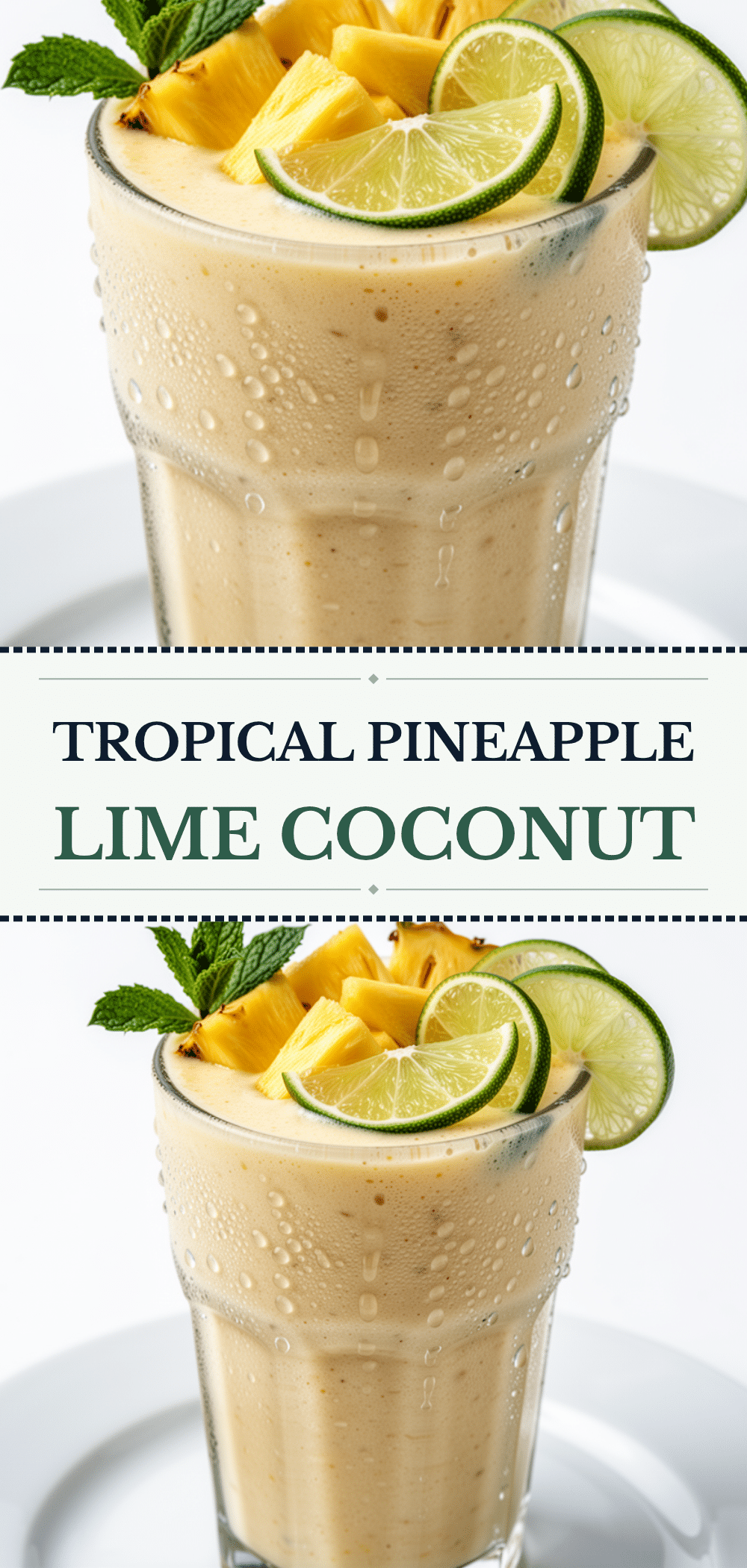
Tropical Coconut Water Smoothie
- Total Time: 5 minutes
- Yield: 1 large serving or 2 small servings 1x
Description
A light, refreshing, and hydrating summer smoothie made with coconut water, frozen mango, and banana. It requires zero prep time, contains no added sugar, and provides natural energy without the crash.
Ingredients
- 1.5 cups coconut water
- 1 cup frozen mango chunks
- 1 medium ripe banana
- 1 tablespoon fresh lime juice
- 4–5 fresh mint leaves
- 0.5 cup ice (optional)
- 1 handful spinach (optional)
- 1 scoop protein powder (optional)
- 1 teaspoon chia seeds (optional)
- 1 tablespoon coconut cream (optional)
Instructions
- Wash the lime and mint leaves. Cut the lime in half and peel the banana, breaking it into chunks.
- Pour the coconut water into the blender jar first to help the blades spin freely.
- Add the fresh lime juice to the blender.
- Add the banana chunks and any soft add-ins like spinach or chia seeds.
- Add the frozen mango chunks on top of the other ingredients.
- Blend on low speed, gradually increasing to high, for 45-60 seconds until completely smooth.
- Taste and adjust sweetness or acidity if needed.
- Pour into a chilled glass and serve immediately.
Notes
For best texture, use frozen fruit rather than ice to avoid dilution. If using fresh fruit, freeze it in a single layer first. Add lime juice immediately after blending to prevent browning. Drink immediately as it may separate after 10-15 minutes.
- Prep Time: 2 minutes
- Cook Time: 0 minutes
- Category: Beverage
- Cuisine: Tropical
Nutrition
- Serving Size: 1 large glass
- Calories: 180
- Sugar: 35
- Sodium: 100
- Fat: 1
- Carbohydrates: 45
- Fiber: 5
- Protein: 2
Keywords: smoothie, coconut water, mango, summer drink, hydrating, healthy, gluten-free, dairy-free, vegan, quick recipe


