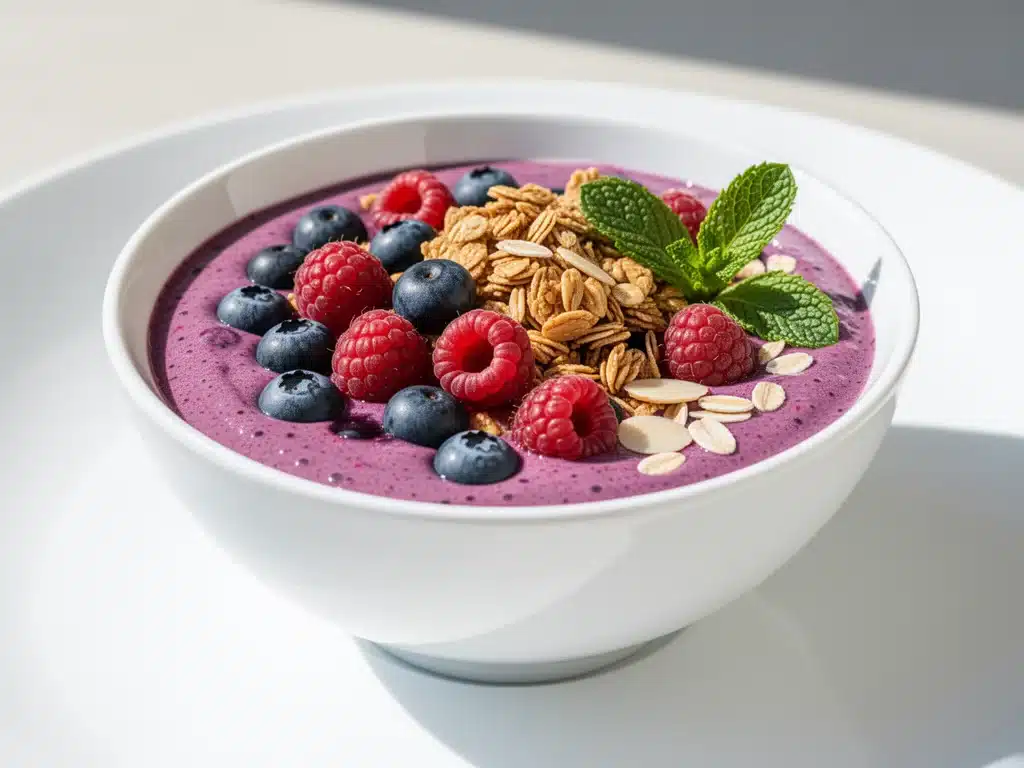
I have a confession to make. For years, I treated my morning smoothie like a punishment. You know the kind: a thick, gray-green sludge of kale, frozen bananas, and protein powder that tasted like wet dirt and regret. I’d chug it in about forty-five seconds while rushing out the door, feeling virtuous for thirty seconds before my stomach growled loudly enough to wake the neighbors. It wasn’t breakfast; it was fuel, and terrible fuel at that.
Then, about two years ago, I had a revelation. I was watching a video of this woman in California eating a bright pink bowl of smoothie ingredients, topped with crunchy granola and fresh fruit. She was using a spoon. She was savoring it. And suddenly, I realized I didn’t just need calories; I needed joy.
That was the day I discovered the iced smoothie drink bowl. It’s not just a trend; it’s a complete paradigm shift in how you approach morning nutrition. It’s thicker than a drink, creamy enough to feel indulgent, and packed with so much texture that it feels like a real meal. No more chugging. No more mid-morning crash. Just vibrant, beautiful, nutritious food that looks amazing on your plate (or in your bowl, as the case may be).
If you’re tired of liquid breakfasts that leave you hungry an hour later, or if you just want to start your day with something that makes you smile, you need to try this. I’ve tested dozens of combinations, ruined a few batches of ice cream-looking sludge, and finally cracked the code on the perfect consistency. This isn’t just about eating healthy; it’s about eating well.
Why You’ll Love This Recipe
There are about ten reasons I keep making smoothie bowls, but here are the big ones that keep me coming back every single morning.
It’s Actually Filling — Because it’s thicker and requires a spoon, your brain registers it as a meal. I’ve had the same amount of ingredients in a drink vs. a bowl, and the bowl keeps me full until lunch. The extra fiber from the frozen fruit and the crunch from toppings slows down digestion. It’s science, but it also just feels right.
Zero Cooking Required — Seriously, if you can blend, you can make this. No chopping (if you buy pre-frozen), no heating, no cleanup of pans. I make this on weekdays when I’m half-asleep. It takes about five minutes from start to finish. I’ve made this while holding my coffee in one hand and the blender lid in the other. It works.
Endless Variations — This is my favorite part. You can make it fruity, chocolatey, green, or protein-packed. I rarely make the same bowl twice in a row. If you like my vegan mango turmeric smoothie bowl, you’ll love the flexibility of the base recipe. It’s a canvas for whatever you have in your freezer.
Visual Satisfaction — I’m not gonna lie, I take a photo of every bowl I make. The colors are vibrant, the toppings are arranged with care (even if I eat it in five minutes), and it just makes me feel like I’m living a better life. It’s the ultimate “treat yourself” breakfast that is actually good for you.
Budget-Friendly — Frozen fruit is often cheaper than fresh, especially out of season. I buy my berries and bananas in bulk. A bowl costs me about $2-3 to make, depending on the toppings. That’s cheaper than most coffee shop breakfast sandwiches and way healthier.
This is my go-to when I need breakfast to just work. No complicated techniques, no weird ingredients, just reliable, delicious food that makes everyone happy. Even my picky eater kids will eat this if you let them help pick the toppings.
Ingredients You’ll Need
Here’s the best part: you probably have most of this already. The key to a great smoothie bowl is using the right ratio of frozen fruit to liquid. You want it thick, like soft-serve ice cream.
For the Base
Frozen Bananas (1 large, sliced and frozen / about 150g) — This is non-negotiable. Fresh bananas are too watery. Frozen bananas provide the creamy texture and natural sweetness without needing added sugar. Slice them before freezing for easy blending.
Frozen Berries (1 cup / 150g) — I use a mix of strawberries and blueberries, but any berry works. Mango or pineapple also work great for a tropical vibe. The frozen fruit is what gives the bowl its thickness. Do not use fresh fruit if you want that soft-serve consistency.
Almond Milk (¼ to ½ cup / 60-120ml) — Use unsweetened. Start with less liquid—you can always add more. You want the blender to struggle slightly. If it’s running freely, you’ve added too much milk. This is the biggest mistake beginners make.
Greek Yogurt (½ cup / 125g) — Plain or vanilla. This adds protein and creaminess. If you’re dairy-free, use coconut yogurt. I love the tang of plain Greek yogurt because it balances the sweetness of the fruit.
For the Boost
Protein Powder (1 scoop / 30g) — Optional, but I highly recommend it. Vanilla or unflavored works best. Whey, casein, or plant-based all work. I use buffalo chicken sliders on weekends for protein, but on weekdays, this powder is my quick fix. It helps keep you full.
Spinach (1 handful / 30g) — You won’t taste it. I promise. It adds nutrients and a slight green hue, but the berries overpower the flavor. If you’re new to greens, start with a small handful.
Chia Seeds (1 tablespoon / 10g) — Adds omega-3s and a slight crunch. They also help thicken the bowl as it sits. Soaking them in the milk for a few minutes before blending helps, but it’s not strictly necessary.
For the Toppings (The Fun Part)
Granola (¼ cup / 30g) — Adds crunch. I like a honey-oat granola, but keep it simple so it doesn’t overpower the fruit. Check out this labor day charred corn and black bean dip for inspiration on how texture plays a role in flavor (okay, totally different dish, but same principle: crunch is king).
Fresh Fruit (½ cup / 100g) — Sliced strawberries, banana rounds, kiwi, or mango. Fresh fruit adds brightness and visual appeal. Use whatever is in season.
Nut Butter (1 teaspoon / 5g) — Drizzle of almond or peanut butter. Adds healthy fats and richness.
Coconut Flakes (1 tablespoon / 5g) — Toasted coconut adds a nice smoky flavor and extra crunch.
Seeds (1 teaspoon / 5g) — Hemp seeds, pumpkin seeds, or sunflower seeds. Easy way to boost nutrition.
Dark Chocolate Chips (1 teaspoon / 5g) — For the chocolate lovers. A few chips add a sweet treat without going overboard.
Equipment Needed
You don’t need fancy equipment for this. Here’s what I actually use.
High-Speed Blender — I use a Vitamix, but a NutriBullet or Ninja works too. The key is enough power to crush frozen fruit. If your blender is weak, you might need to add a bit more liquid or blend in short pulses.
Spatula — A sturdy silicone spatula is essential for scraping down the sides of the blender. You want every bit of that thick mixture.
Bowls — Any bowl works, but I like wide, shallow bowls to display the toppings. Ceramic or glass is nice, but plastic is less likely to break if you drop it (happens more than you’d think).
Knife and Cutting Board — For slicing fresh fruit toppings. Keep it sharp for clean cuts.
Measuring Spoons — For the chia seeds and protein powder. Accuracy helps with consistency.
How to Make It: Step-by-Step
Alright, let’s make this! I’m walking you through exactly how I do it, including the little tricks I’ve picked up.
Step 1: Prep Your Frozen Fruit
If you haven’t already, slice your bananas and freeze them. You want them solid. I keep a bag of frozen banana slices in my freezer at all times. If you’re using frozen berries, just take them out of the freezer. The colder the fruit, the thicker the bowl.
Step 2: Add Ingredients to Blender
Add the frozen bananas, frozen berries, almond milk, Greek yogurt, spinach, chia seeds, and protein powder to your blender. Start with the liquid first if your blender prefers it that way (helps the blades spin). But honestly, with a good blender, order doesn’t matter much.
Step 3: Blend Until Thick
This is the critical step. Start on low speed and gradually increase to high. Use the tamper if your blender has one. You want a thick, creamy mixture that holds its shape. If it’s too thick to blend, add milk one tablespoon at a time. If it’s too thin, you’ve added too much liquid. Start over with less milk next time. It should look like soft-serve ice cream.
Step 4: Transfer to Bowl
Pour the thick smoothie into your bowl. It might take some scraping. Use your spatula to get it all out. Spread it out evenly to create a flat surface for toppings.
Step 5: Add Toppings
This is where you get creative. Arrange your fresh fruit, granola, nut butter, coconut flakes, seeds, and chocolate chips in sections or patterns. Don’t just dump them on top—arrange them. It makes the eating experience more enjoyable. I like to do a “top half” of fruit and a “bottom half” of granola and seeds.
Step 6: Serve Immediately
Eat it right away. Smoothie bowls melt quickly. I usually have about 5-10 minutes before the toppings get soggy and the base starts to soften. Grab a spoon and dig in.
Expert Tips & Tricks
Here’s everything I’ve learned from making these dozens of times. These tips will save you from my mistakes.
The Frozen Banana Rule
I cannot stress this enough: use frozen bananas. Fresh bananas make the bowl watery. Frozen bananas make it creamy. Slice them, put them in a bag, and freeze them for at least 4 hours, preferably overnight. I have a dedicated bag of frozen bananas in my freezer.
Less Liquid, More Ice
If you don’t have enough frozen fruit, add ice cubes. But be careful—ice can make the bowl icy if not blended well. Frozen fruit is better. If you must use ice, blend it thoroughly.
Layering Toppings
For the best texture, add crunchy toppings (granola, seeds) just before eating. If you add them too early, they get soggy. I sometimes save the granola for the end so each bite has a crunch.
Protein Powder Choice
Some protein powders are chalkier than others. I’ve found that whey isolate or plant-based proteins with added creaminess work best. If you find your powder is gritty, blend it with the liquid first, then add the fruit.
Customize Your Sweetness
If your fruit isn’t sweet enough, add a date or a teaspoon of honey. But try to rely on the natural sweetness of the fruit first. It’s healthier and tastes fresher.
Common Mistakes (and how to avoid them)
Mistake: Bowl is too thin
Fix: You added too much liquid. Next time, start with ¼ cup of milk and add more only if needed. Or, add more frozen fruit.
Mistake: Bowl is too thick to blend
Fix: Add liquid one tablespoon at a time. Or, let the frozen fruit sit at room temperature for 5 minutes before blending.
Mistake: Toppings are soggy
Fix: Add crunchy toppings just before eating. Or, keep them separate and add them as you go.
Variations & Substitutions
Once you’ve nailed the basic version, here’s how you can mix it up. I’ve tried all of these.
Tropical Vibes
Use frozen mango and pineapple instead of berries. Add coconut milk instead of almond milk. Top with toasted coconut and kiwi. This is my favorite summer version.
Chocolate Peanut Butter
Add 1 tablespoon of cocoa powder and 1 tablespoon of peanut butter to the base. Top with banana slices and a drizzle of peanut butter. It tastes like a dessert but is packed with nutrients.
Green Goddess
Double the spinach and add half an avocado for creaminess. Top with hemp seeds and sliced almonds. The avocado makes it incredibly rich and satisfying.
Berry Bliss
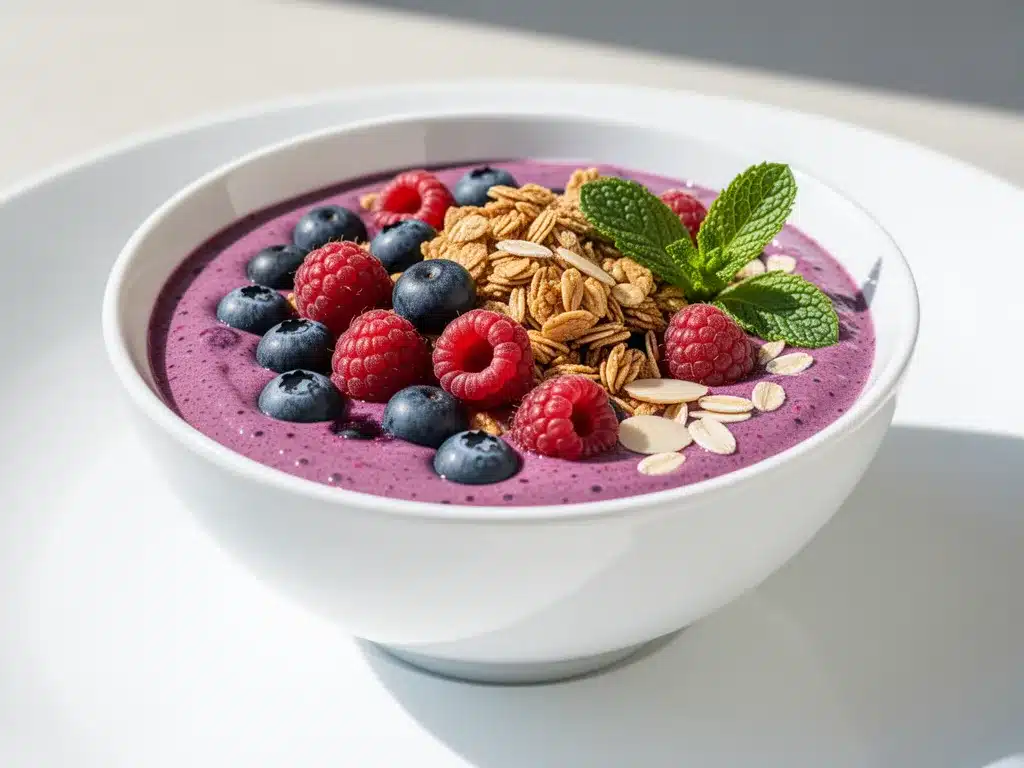
Use a mix of strawberries, blueberries, and raspberries. Add a teaspoon of chia seeds. Top with fresh berries and a drizzle of honey. Simple, classic, and delicious.
Dietary Modifications
Vegan — Use plant-based yogurt and protein powder. The base recipe is already vegan if you skip the dairy yogurt.
Dairy-Free — Use coconut yogurt or almond yogurt. The base is naturally dairy-free if you skip the dairy yogurt.
Gluten-Free — Use gluten-free granola and ensure your protein powder is gluten-free. Most ingredients are naturally gluten-free.
Serving & Storage
How to Serve:
I usually serve this straight from the bowl at the kitchen counter—it’s casual and quick. But here are other ways I’ve enjoyed it:
Side Dishes:
Smoothie bowls are usually a complete meal, so you don’t need sides. But if you’re hungry, a piece of toast or a boiled egg can help. I rarely need anything else.
Storage Instructions:
Refrigerator:
Smoothie bowls don’t store well. The texture changes, and the toppings get soggy. It’s best to make it fresh. If you must prep ahead, freeze the base ingredients in bags and blend in the morning.
Freezing:
You can freeze the base ingredients (fruit, yogurt, spinach) in bags for up to 3 months. Just blend when you’re ready. This is my meal prep strategy for busy weeks.
Pro tip:
If you’re making multiple bowls, prep the frozen fruit portions in advance. Just grab a bag and blend. It saves so much time in the morning.
Nutrition Information
I’m not a nutritionist, but here’s the breakdown if you’re tracking. These are approximate values based on the standard recipe.
Per Serving (1 bowl):
| Nutrient | Amount |
|---|---|
| Calories | 350-450 |
| Protein | 15-20g |
| Carbs | 50-60g |
| Fiber | 8-10g |
| Sugar | 30-40g (natural) |
| Fat | 10-15g |
What’s Good:
– High in fiber from fruit and chia seeds
– Good protein from yogurt and protein powder
– Packed with vitamins and antioxidants from berries
– Healthy fats from nut butter and seeds
What to Know:
– Higher in natural sugars from fruit
– Can be customized for lower carb by reducing fruit and increasing nuts/seeds
– Protein content varies based on protein powder used
My Take:
Look, this is a healthy breakfast with fruit and yogurt. It’s not a diet recipe, but it’s way better than a donut or cereal. I know exactly what’s in it, and it keeps me full. When I want to make it lighter, I reduce the granola and add more veggies. But usually? I just enjoy it.
Final Thoughts
So that’s my go-to iced smoothie drink bowl! I’ve probably talked your ear off at this point, but when you make a recipe this often, you have a lot to say about it.
This has saved my mornings more times than I can count. It’s my answer to “what’s for breakfast” when I’m tired, don’t want to cook, and still want something that tastes really good. My kids are happy, my husband’s happy (when I make the chocolate version), and I’m happy because I’m not stressed about cooking.
Make it yours! Try different add-ins, swap in your favorite vegetables, adjust the sweetness. The best recipes are the ones you adapt to your family’s tastes. I love hearing how recipes turn out in your kitchen. And if something doesn’t work, tell me that too—I’m here to help troubleshoot.
Happy cooking! And I hope your kitchen smells half as good as mine does right now (well, maybe not, since it’s cold, but you get the idea).
Frequently Asked Questions
Can I use fresh fruit instead of frozen?
You can, but the bowl will be much thinner and less creamy. If you want to try it, use less liquid and add ice cubes to thicken it. I’ve done this when I ran out of frozen fruit—it works okay, just not as good as the real thing. Frozen fruit is key for that soft-serve texture.
Why did my smoothie bowl turn out watery?
Usually means you added too much liquid or not enough frozen fruit. Let the cream mixture simmer for a full 3-4 minutes before adding cheese. If it’s already watery, turn up the heat and let it reduce for another few minutes. The cheese will also thicken it up.
Can I make this ahead for a dinner party?
Sort of. Make the sauce up to 2 days ahead and store in the fridge. Cook the pasta fresh right before serving (takes 10 minutes). Reheat the sauce gently and toss with hot pasta. It won’t be quite as good as fresh, but it’s close and saves you stress during the party. I do this all the time.
Why did my sauce get grainy/lumpy?
The heat was too high when you added the cheese, which made it seize up. Parmesan needs gentle heat. Always remove the pan from the burner before adding cheese, then stir it in off heat. If it’s already grainy, try whisking in a splash of warm cream—sometimes you can save it.
Can I use jarred garlic?
You can, but fresh tastes so much better in this recipe. Jarred garlic has a weird metallic taste that really shows up in cream sauces. If you must use it, use half the amount because it’s stronger. But honestly, mincing 6 cloves takes like 2 minutes. Buy pre-peeled garlic cloves if you want to save time.
How do I reheat leftovers without it getting dry?
Add a splash of milk or cream to a skillet, add your leftover pasta, and heat gently over low heat, stirring frequently. The extra liquid brings back the creamy texture. Microwave sort of works but tends to dry it out. If you do microwave, definitely add a splash of milk first and heat in short bursts, stirring between.
Can I double this recipe?
Absolutely! Double everything and use your biggest pot. The cooking times stay the same. I do this when I’m meal-prepping or feeding a crowd. Just make sure your skillet is big enough for the sauce—you might need to use two pans or a very large skillet.
Pin This Recipe!
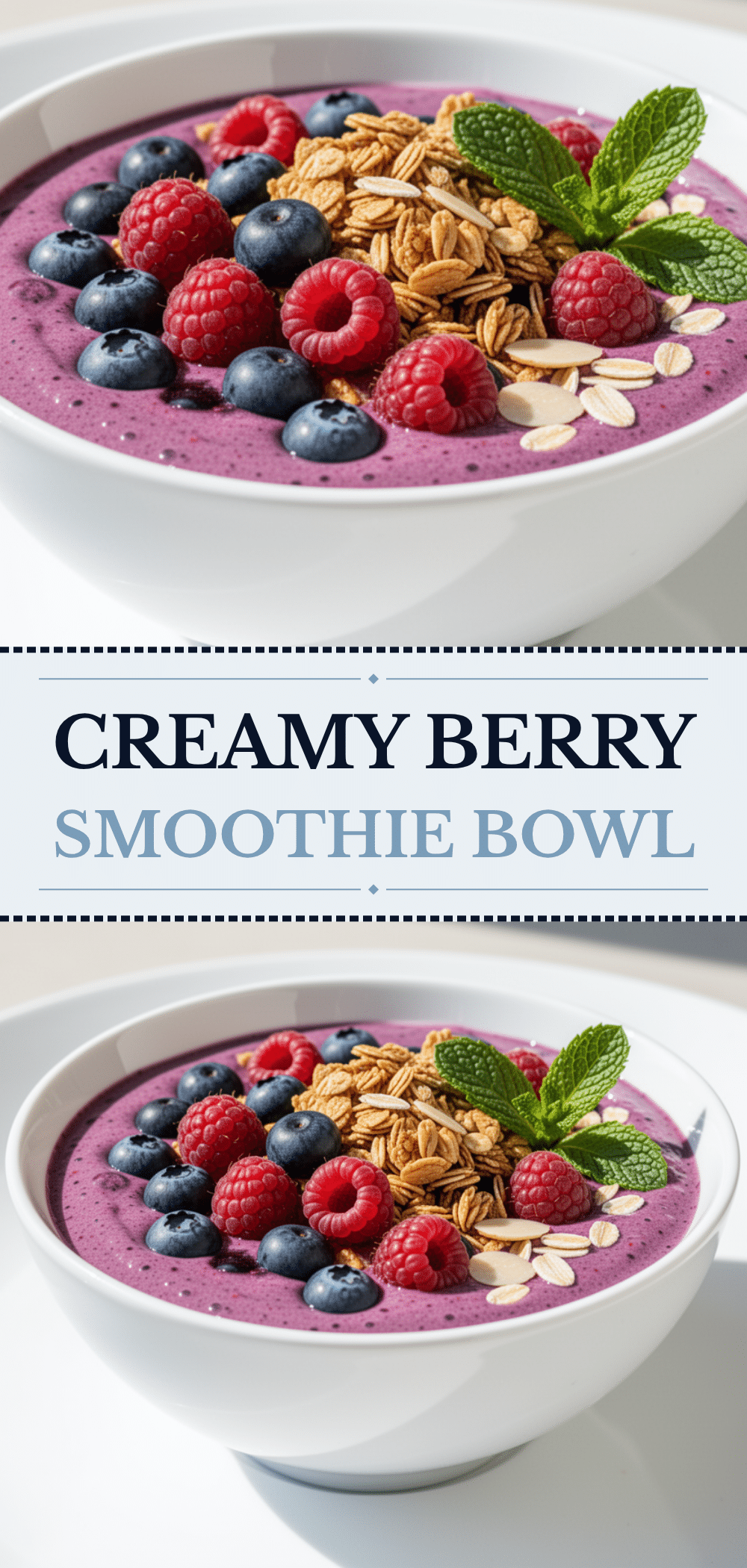
Iced Smoothie Drink Bowl: 5 Best Healthy Breakfast Ideas
- Total Time: 5 minutes
- Yield: 1 serving 1x
Description
A thick, creamy, and nutritious smoothie bowl that requires no cooking. Packed with frozen fruit, protein, and healthy toppings, it offers a vibrant and satisfying breakfast experience.
Ingredients
- 1 large frozen banana (sliced and frozen, approx. 150g)
- 1 cup frozen berries (strawberries, blueberries, or mix, approx. 150g)
- 1/4 to 1/2 cup unsweetened almond milk
- 1/2 cup Greek yogurt (plain or vanilla)
- 1 scoop protein powder (vanilla or unflavored)
- 1 handful spinach (approx. 30g)
- 1 tablespoon chia seeds
- 1/4 cup granola
- 1/2 cup fresh fruit (sliced strawberries, banana, kiwi, or mango)
- 1 teaspoon nut butter (almond or peanut)
- 1 tablespoon coconut flakes
- 1 teaspoon seeds (hemp, pumpkin, or sunflower)
- 1 teaspoon dark chocolate chips
Instructions
- Slice bananas and freeze them solid. Ensure frozen berries are ready.
- Add frozen bananas, frozen berries, almond milk, Greek yogurt, spinach, chia seeds, and protein powder to a high-speed blender.
- Blend on low speed, gradually increasing to high. Use a tamper if available. Blend until the mixture is thick and creamy, resembling soft-serve ice cream. Add milk one tablespoon at a time if too thick.
- Pour the thick smoothie mixture into a wide, shallow bowl. Spread evenly to create a flat surface.
- Arrange toppings creatively: fresh fruit, granola, nut butter drizzle, coconut flakes, seeds, and chocolate chips.
- Serve immediately to prevent toppings from getting soggy and the base from melting.
Notes
Use frozen fruit for the best thick consistency. Fresh bananas make the bowl watery. Add crunchy toppings just before eating to maintain texture. If the bowl is too thin, add more frozen fruit; if too thick, add liquid one tablespoon at a time.
- Prep Time: 5 minutes
- Cook Time: 0 minutes
- Category: Breakfast
- Cuisine: American
Nutrition
- Serving Size: 1 bowl
- Calories: 350450
- Sugar: 3040
- Sodium: 50100
- Fat: 1015
- Saturated Fat: 24
- Carbohydrates: 5060
- Fiber: 810
- Protein: 1520
Keywords: smoothie bowl, healthy breakfast, frozen fruit, no cook, vegan options, high protein, quick breakfast


